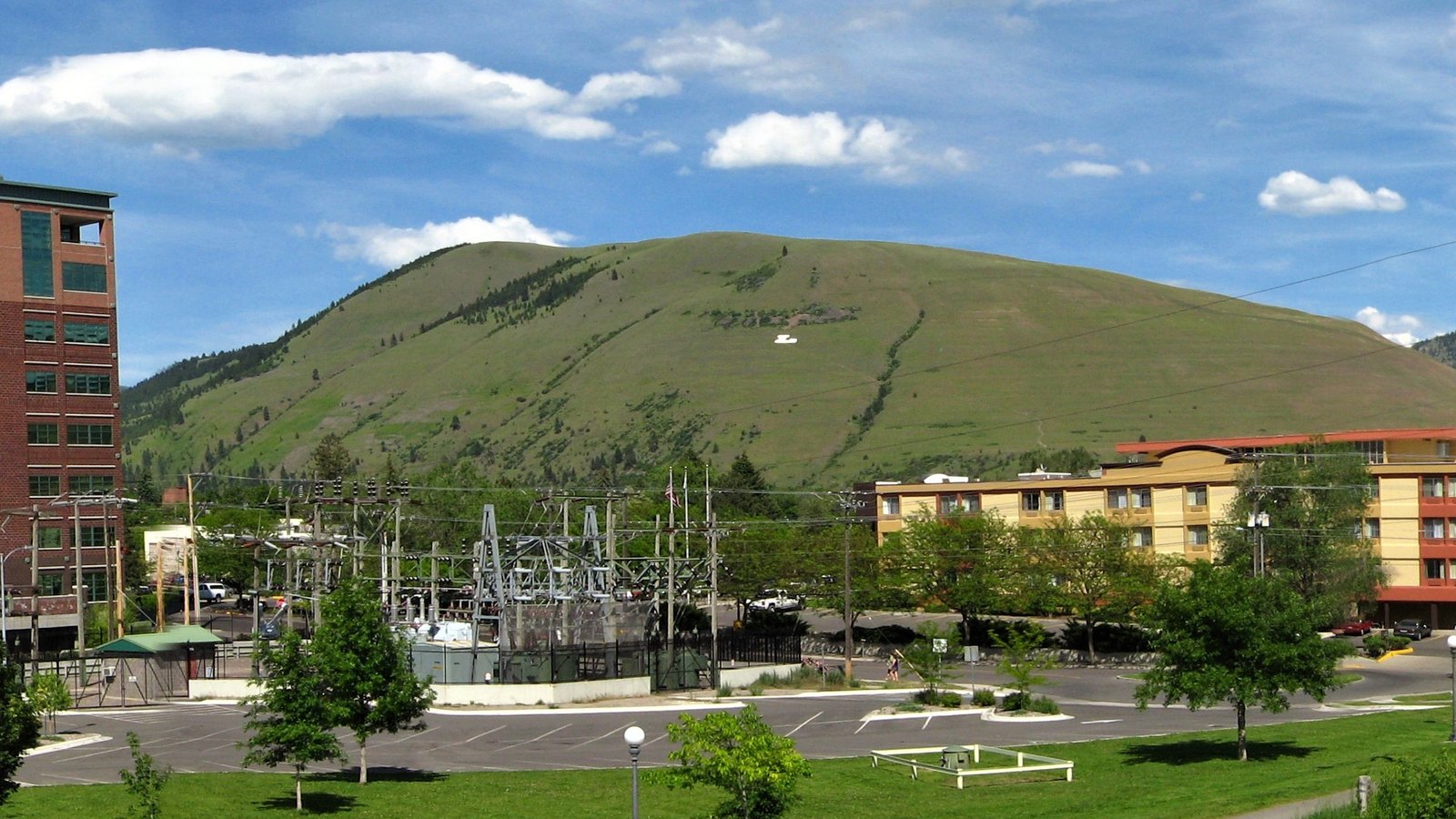

Most of Mount Jumbo closes to hikers, bikers, skiers and dogs on Tuesday, Dec. 1, as Missoula sets aside the mountain’s slopes for the roughly 120 elk that winter there. Missoula Parks and Recreation announced the seasonal closures this week, along with dog restrictions on the upper trails of Mount Dean Stone south of town.
The closures come back every winter, but the dates and the exceptions trip people up. Here is what is open, what is not, and for how long.
Mount Jumbo: two zones, two end dates
According to the city’s winter closures page, Jumbo is split at the Saddle Road:
- North Zone, including everything north of the Saddle Road, is closed to all recreation from Dec. 1 to May 1.
- South Zone, south of the Saddle Road, is closed from Dec. 1 to March 15.
- The “L” trail and the I-90 trail stay open all year. Dogs must be leashed on both at all times.
Going off trail in the closed areas is strictly prohibited, the city said, in part because avalanche conditions can develop on Jumbo’s steeper slopes. The closure protects people on the mountain and neighbors below it, the city said.
Mount Dean Stone: dogs off the upper trails
On Mount Dean Stone, the upper preserve trails close to dogs from Dec. 1 to May 1 to protect the North Sapphire elk herd and other wildlife. People can still use those trails. The Barmeyer and Sousa trails stay open to dogs year-round.
Why the elk need the mountain
When snow covers the forage at higher elevations, about 120 elk move down from the Lolo National Forest to Jumbo’s lower slopes, the city said. Mount Jumbo makes up about two-thirds of that herd’s winter range, and the city says the rest is too small to support the whole herd.
The city’s explanation is blunt. Elk see people and dogs as predators and run. Running through deep snow burns fat the animals need to survive the cold months, and repeated disturbance lowers their odds of making it to spring. Close encounters also make wildlife used to people, which raises the chance of conflicts in the neighborhoods at the base of the mountain.
The best way to see the herd is from a distance. The city suggests watching from the Rattlesnake Valley or downtown, mornings and evenings, and looking for “horse-sized animals” high on the west- and south-facing open slopes near the tree line. Parks and Recreation is also looking for volunteers for its Elk Spotters program.
Where to go instead
For winter walks, the city points to the North Hills, Mount Sentinel, the Rattlesnake Greenway, and the Rattlesnake, Pattee Canyon and Blue Mountain recreation areas. Trail-by-trail maps are on missoulamaps.com under Recreation, and the parks office answers questions at 406-721-PARK.
The closures add to a busy stretch for Missoula’s open space and planning work. The county recently took its wildfire protection plan rewrite to Seeley Lake, and the city is still working out the timing of its downtown street overhaul. More from around town is on our community page. Wildlife research at the University of Montana also got a boost this week from a new $1 million ecology and evolution graduate fund.
The South Zone reopens March 15. The North Zone and the Mount Dean Stone dog trails reopen May 1, 2027.
Add The Montana Statesman as a preferred source on Google (opens in a new tab)