

Since Sunday, a Montana SNAP card won’t cover a candy bar, a regular soda or an energy drink. The state’s Healthy SNAP food restriction waiver took effect Nov. 1, and it applies at every SNAP-authorized store in Montana, from the big grocery chains to gas stations and online sellers.
The change reaches roughly 71,700 people enrolled in the Supplemental Nutrition Assistance Program, according to the Montana Standard, along with the retailers that take the benefit. It does not change who qualifies for SNAP or how much a household receives each month.
Four categories are out
The Department of Public Health and Human Services lists four kinds of products that SNAP can no longer buy. The definitions are specific, and they matter at the register.
Candy covers shelf-stable sweets in bars, drops or pieces, including gummies, licorice, hard candy and compressed sugar candies. Baking ingredients, granola, trail mix that is mostly nuts or fruit, protein bars, meal replacement bars and fruit snacks made with real fruit and no added sugar are not included.
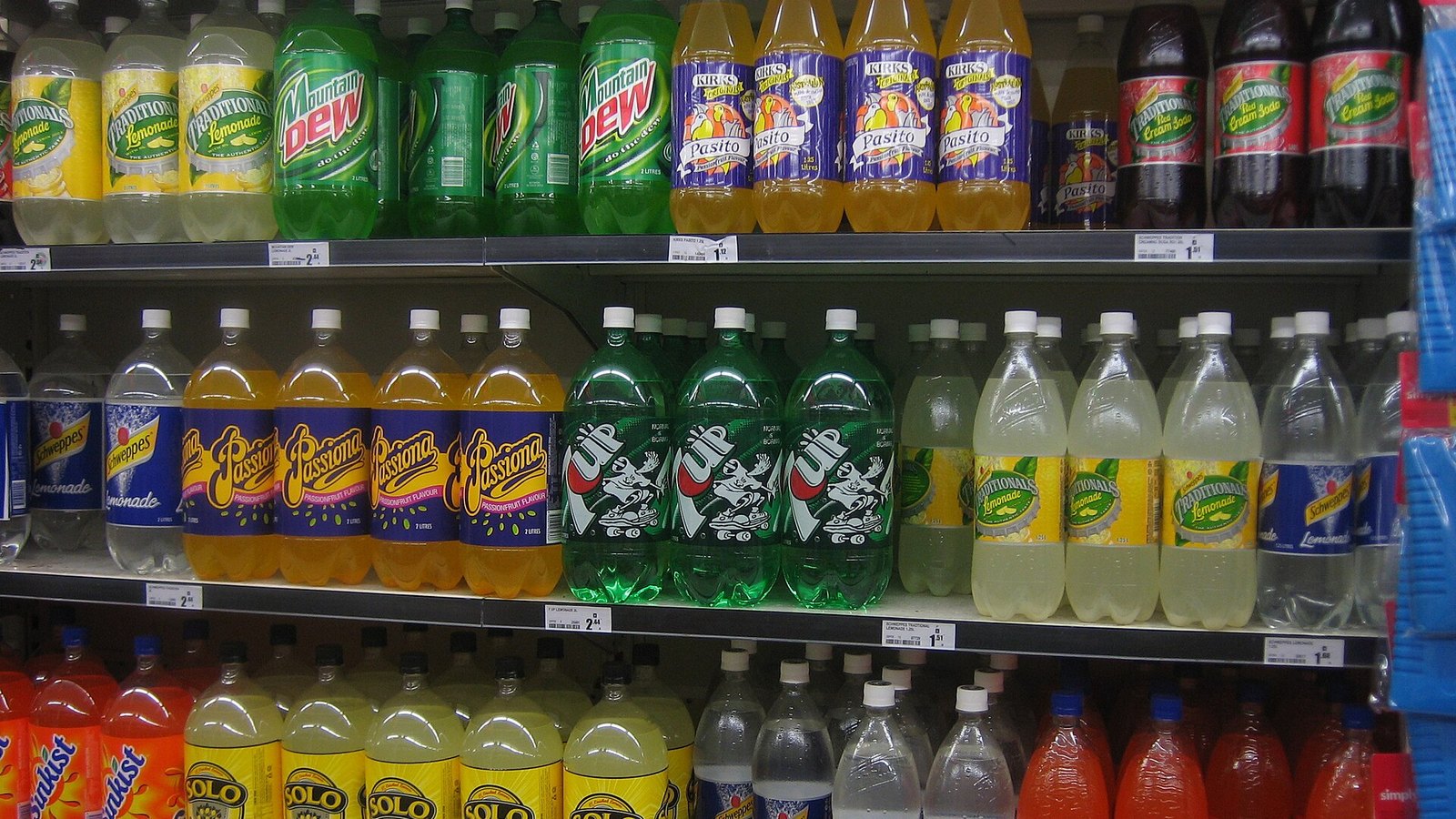
High-sugar beverages are non-alcoholic drinks, carbonated or flat, with more than 10 grams of sugar per 8 fluid ounces. Plain or naturally flavored water, artificially sweetened drinks, anything more than half fruit or vegetable juice, milk and milk substitutes, meal replacement drinks and medical-grade electrolyte drinks are still eligible.
Energy drinks are defined by caffeine and additives: more than 6 milligrams of caffeine per fluid ounce, or more than 140 milligrams in the container, plus an ingredient such as taurine, guarana or ginseng. Coffee and tea, including bottled versions, aren’t counted as energy drinks, though a heavily sweetened one can still be caught by the sugar rule.
Shelf-stable prepared desserts are packaged, ready-to-eat sweets meant to be eaten without preparation. Cakes and cookies made in a store’s own bakery are exempt.
The DPHHS Healthy SNAP page has the full definitions.
What happens at checkout
Store systems are supposed to flag restricted items automatically. A shopper with a mixed basket can still buy the restricted items, just not with SNAP. They can pay for those with cash, a debit card or a credit card, and the rest of the order goes on the EBT card as usual. Fresh, frozen and canned produce, meat, dairy, bread, grains and pantry staples are unaffected.
Retailers had to sign a compliance form and update their product files ahead of the start date. DPHHS gave stores a list of restricted product codes to work from, but the state has told retailers that list won’t capture every new or reformulated product, and that keeping item files current is their job. Montana is giving stores about 90 days of transition support while they work through questions about individual products. Owners of small stores, where a register system may not be tied to a big chain’s database, are the ones most likely to be sorting items by hand in the coming weeks.
Why Montana did it
The state asked the federal government for the waiver on March 31, 2026. The federal food and nutrition agency approved it as a two-year demonstration project, effective Sept. 30, and says it will review quarterly evaluation reports on how the restrictions affect participants and stores. DPHHS describes the goal as cutting rates of obesity, type 2 diabetes and heart disease and improving diet quality.
DPHHS Director Charlie Brereton reminded Montanans of the start date in an October announcement that stressed what isn’t changing: fruits and vegetables, meat, poultry, dairy, grains and general pantry staples “remain fully covered.”
Montana is one of a growing number of states that have sought permission to narrow what SNAP can buy, a policy push from the federal agriculture department since 2025. Critics of these waivers have argued that they add cost and confusion for small retailers and that they single out low-income shoppers, while supporters say taxpayer-funded benefits shouldn’t pay for products with little nutritional value. The evaluation built into Montana’s approval is meant to answer some of those questions with data, including whether purchases actually shift and what compliance costs stores.
If a purchase is rejected
Shoppers who think an item was blocked by mistake can raise it with the store, since product coding is the retailer’s responsibility. DPHHS has set up a Healthy SNAP contact channel for product questions, and general SNAP questions still go through the Public Assistance Helpline at 1-888-706-1535. Benefit amounts and recertification dates are not affected by the change.