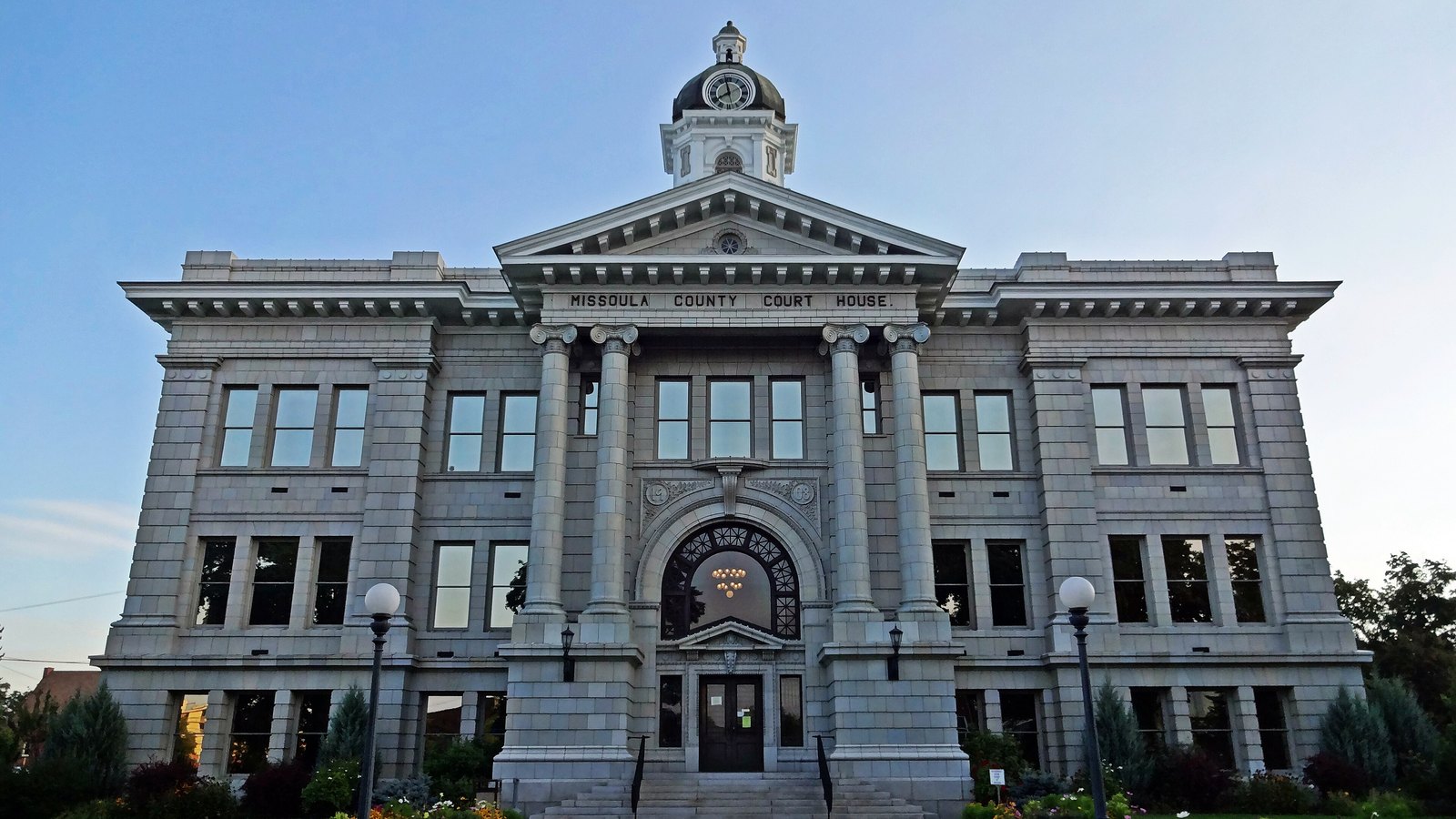

Missoula County will write permanent zoning rules for data centers, but not until the 2027 Legislature is done. County commissioners accepted their staff’s data center study at a public hearing on Nov. 12 and told staff to follow its recommended path, which leaves the current moratorium as the county’s main protection for now.
The vote closes the first phase of the interim zoning process the county started in July. Commissioners adopted a one-year moratorium on new or expanded data centers outside Missoula city limits on July 9, and state law required a study to back up the emergency. That study began July 10. Its draft, released Oct. 21, found that data centers can carry real risks to health, safety and the environment, and that the interim ban was justified. We walked through the draft’s findings when it came out.
Three directions from the board
According to the county’s project page, updated after the vote, staff now have three assignments:
- Draft updated countywide zoning that covers the land use impacts the county can identify, with final rules written after the 2027 session so they can account for any change in state law.
- Work with Missoula County’s legislators, other local governments and interested groups on impacts that local zoning can’t reach.
- Stay in NorthWestern Energy’s Large New Load tariff case at the Montana Public Service Commission and other utility proceedings, to keep costs from big new electric loads off existing customers.
The moratorium expires July 8, 2027, unless new zoning replaces it first. Commissioners can extend it for a second year after another advertised public hearing. Commissioner Dave Strohmaier made clear at the hearing which outcome he expects. “There will be no gap,” he said, as reported by the Missoula Current. “Either we have permanent zoning in place by the end of this moratorium period, or, in the more likely case and in a separate action from today, we’ll extend the moratorium.”
Why the county is waiting on Helena
State law boxes the county in. The 2025 Right to Compute Act limits how far a local government can go in restricting computing operations, and the county’s own study concludes an outright ban is unlikely to survive. Svein Newman, the county’s climate action program manager, told commissioners that legal staff advised the act “likely makes an outright local ban untenable,” according to the Current. He added that the state, not the county, largely controls air and water discharge permits.
That law is already being tested in Missoula. A Missoula AI company has brought the first lawsuit under the Right to Compute Act, a case that could shape how much room counties have.
Data centers will be a major topic once lawmakers arrive in January. Newman said he had already counted about 50 bill draft requests tied to data centers, a number he said was climbing quickly. Whatever passes could widen or narrow what the county can write into its zoning.
What zoning could still cover
The study sorts data centers into three sizes and lists 13 categories of impact, from climate and water use to noise, heat, light pollution, wildlife and electronic waste. Some of the numbers in it explain why residents filled the hearing:
- An average new data center draws about 40 megawatts. A midsize facility can use roughly 110 million gallons of water a year.
- One project proposed elsewhere in Montana, near Broadview, is projected at 1,100 megawatts. NorthWestern’s average daily peak across its whole Montana system is about 760 megawatts.
- The application that set off Missoula County’s moratorium, for an “AI factory” in the Planer Building at the former Bonner mill site, started at 7 megawatts.
The county already has some tools. Its zoning requires data centers and cryptocurrency mining operations to offset their power use with 100% newly built renewable energy, and projects within 500 feet of homes need special exception review. Staff see room for more local rules on noise, backup generators, water use and where the facilities can go.
Utility costs are the other front. Montana regulators just approved NorthWestern’s merger with Black Hills Corp., and environmental groups at the hearing argued the combined company will court more large loads. The county wants the PSC to make data centers carry the cost of the power plants and transmission lines built for them, rather than spreading it to households.
The next decision point is a hearing on extending the moratorium, which the county has not yet scheduled. Residents can still leave comments on the county’s project page. Follow the rest of our coverage in Tech.
Add The Montana Statesman as a preferred source on Google (opens in a new tab)