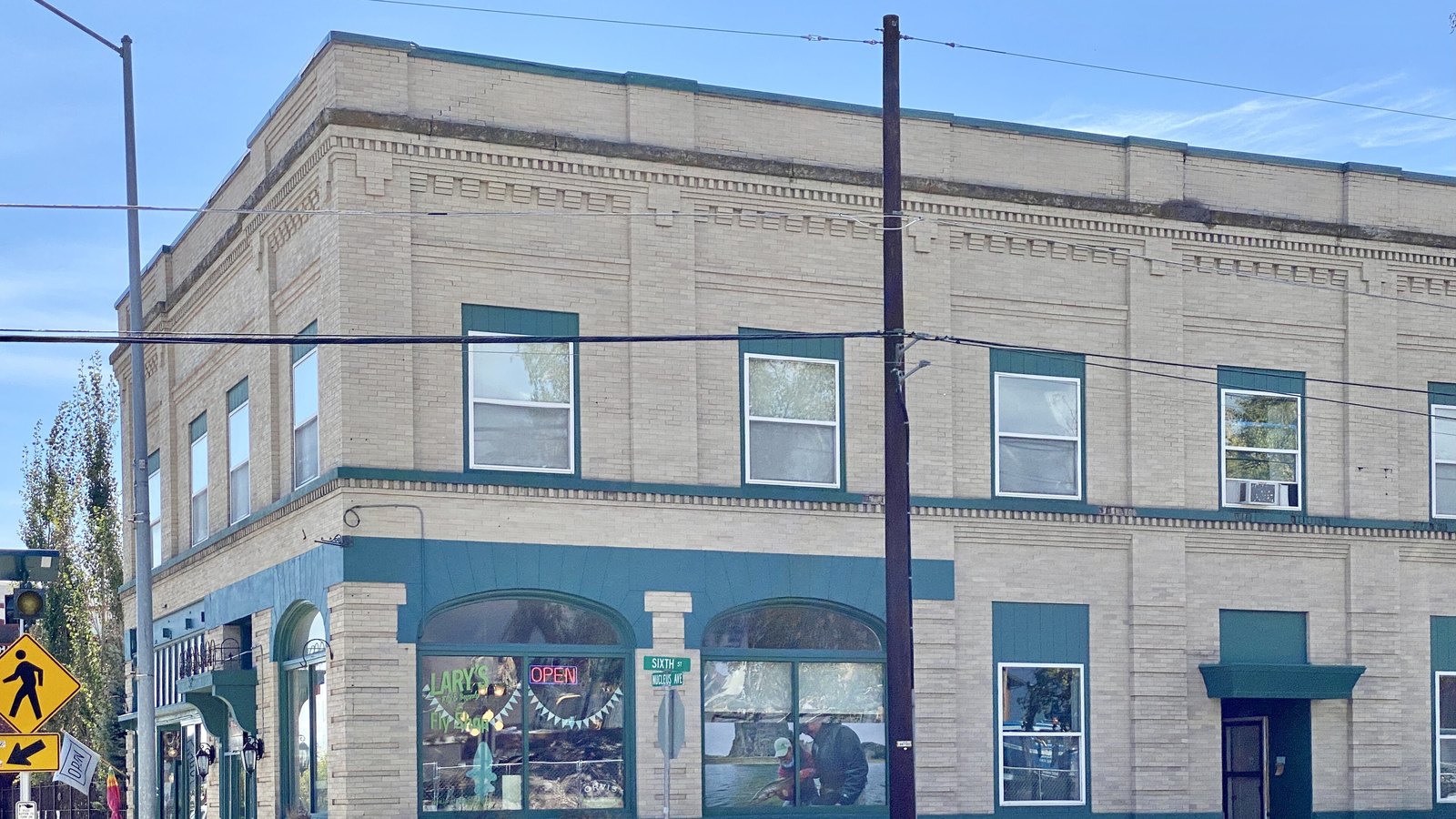

Columbia Falls is about two weeks from a vote on a new short-term rental program that would raise the yearly renewal fee for a permitted rental from $40 to $250 and put every Airbnb- and VRBO-style unit in town under one set of rules. The City Council is scheduled to see the final version and vote on Dec. 7, with the program taking effect Jan. 1, 2027.
The draft, Resolution No. 1979, also raises the initial permit fee to $400 and spells out what operators in the Glacier National Park gateway town must do, from naming a local contact who can reach the property within 60 minutes to posting house rules and a permit number on every online listing.
The resolution says the city has seen “ongoing challenges with non-compliance” with its existing short-term rental rules and with “the timely reporting and payment” of resort tax, and that it is concerned the growth of short-term rentals “may reduce the availability of residential housing for long-term occupancy.”
The proposed fees
- Initial permit, per property: $400 (the current fee is $325)
- Annual renewal, per property: $250 (now $40)
- Each additional unit on the same permit, initial or renewal: $100
- Initial fire inspection, including one reinspection: $125; each added inspection: $75
Permits run on the calendar year, expire Dec. 31 and are not prorated. An operator who hasn’t renewed by May 1 must apply as new, paying the higher initial fee and passing a new inspection. Permits don’t transfer with a sale.
The current fees and the city’s cost estimates were reported by the Flathead Beacon from the Nov. 16 council meeting, where several operators objected to the renewal increase. City staff estimate the program will cost just over $68,000 a year to run and bring in about $40,750 in fees, the Beacon reported, and the city believes $150,000 to $250,000 in short-term rental resort tax went unpaid over the past four years. City Manager Eric Hanks told the council the fees are meant to recover program costs, “not to generate a profit.” Councilors asked staff to look at a lower renewal fee for operators with a clean record.
What operators would have to do
Beyond the fees, the draft policy spells out requirements for anyone renting a dwelling, or part of one, for fewer than 30 consecutive days:
- Get a city permit before advertising, and show the permit number on every platform listing and print ad.
- Pass a Columbia Falls Fire Department inspection before the first permit, and provide proof of a Flathead County Environmental Health public accommodation inspection.
- Name a local contact who is reachable 24 hours a day while guests are there and can be at the property within 60 minutes of a complaint.
- Post written house rules inside the unit and send them to guests before check-in, covering occupancy limits, parking, quiet hours of at least 10 p.m. to 7 a.m., and bear-aware trash handling. Each unit needs at least one off-street parking space.
- File the city’s 3% resort tax every quarter, by the 20th of the month after the quarter ends, with permit numbers on each return, even in quarters with no bookings.
Short-term rentals would be barred in apartment complexes with more than 10 units, though complexes with a documented history of lawful rentals could keep operating until a sale or a lapse in the permit. Hotels, motels, RV parks and timeshares are classified separately and don’t pay the short-term rental fees.
The city could also hire a third-party service to scan listings and estimate resort tax owed, and could ask platforms to delist rentals without a valid permit number. Enforcement would move from written notice and a chance to fix a problem to civil penalties and permit suspension.
Where it fits in the valley
The policy grew out of Columbia Falls’ rewrite of its land use plan and zoning under the state’s new planning law. Neighboring towns are wrestling with the same housing pressures, from Whitefish’s 146-unit complex with 30% pledged as affordable to Kalispell’s proposed income-restricted apartments on Stillwater Road. For background on the tax at the center of the compliance push, see our explainer on how Montana’s resort taxes work, and follow more housing news on our Real Estate page.
The draft resolution is posted on the city’s website for public comment ahead of the Dec. 7 council meeting, when staff will present any revisions and the council is expected to vote.
Add The Montana Statesman as a preferred source on Google (opens in a new tab)