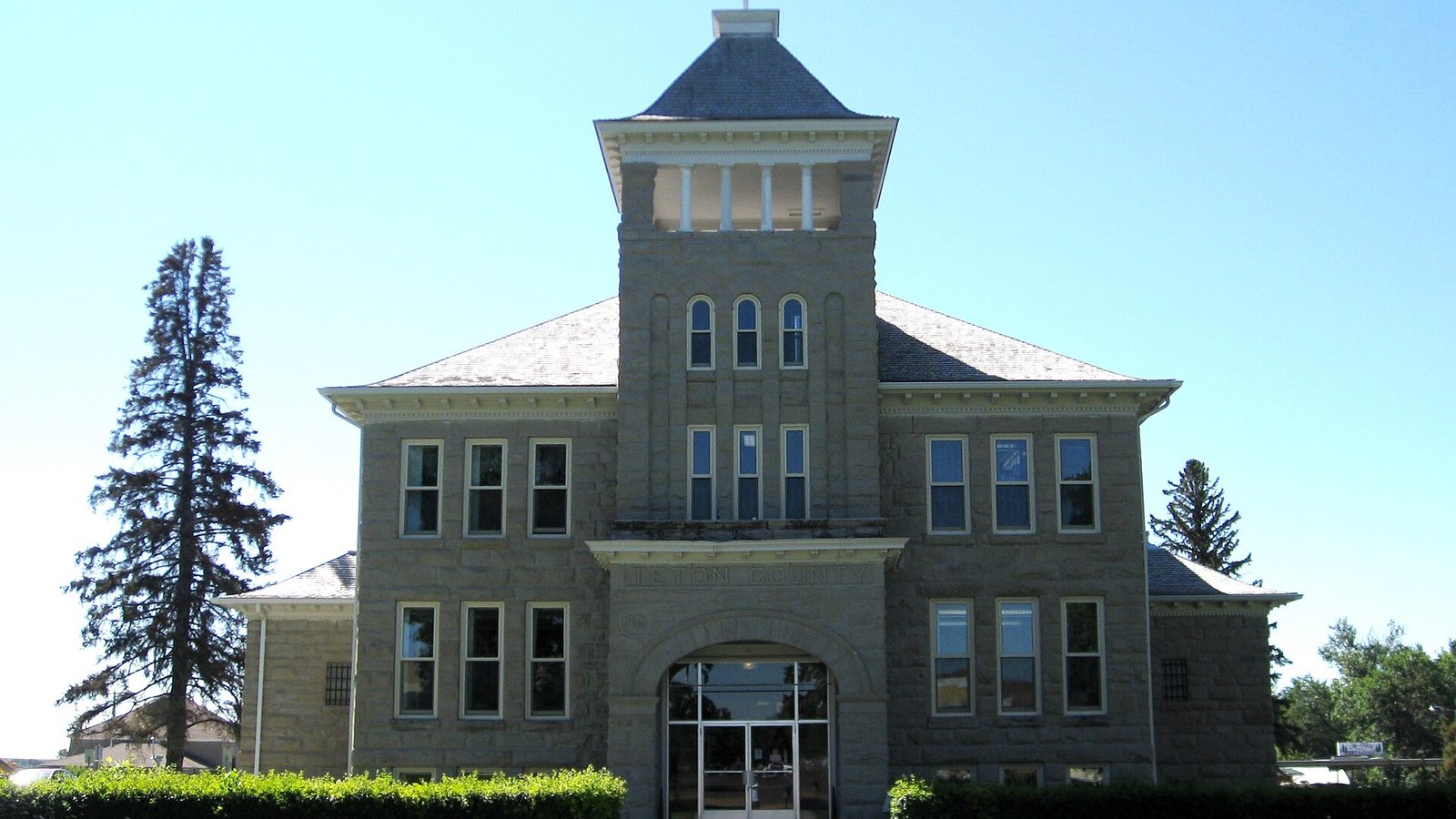

Montana has 56 counties, ranging from Yellowstone County, home to Billings, to some of the least populated counties in the country. Each one provides services residents use every day.
Who runs a county
Most counties are governed by a board of county commissioners, usually three members elected to six-year staggered terms. A few, including Butte-Silver Bow and Anaconda-Deer Lodge, are consolidated city-county governments with their own charters.
Other elected county officers commonly include the clerk and recorder, treasurer, sheriff, county attorney, clerk of district court, justice of the peace and superintendent of schools. In smaller counties, some offices are combined.
What counties do
- Maintain county roads and bridges
- Run elections through the election administrator
- Keep land records, marriage licenses and vital records
- Collect property taxes for the county, schools and other taxing districts
- Operate detention centers and fund the courts, along with planning, weed control and public health
How to take part
Commission meetings are public under Montana’s open-meeting law, and agendas are posted in advance. Residents can comment in person or in writing, especially during budget season each summer, when counties adopt their annual budgets for the fiscal year that starts July 1.
For more background, see our explainers on your right to attend public meetings, how the Montana Legislature works, and Montana’s county fairs. Find more stories in our Local News section.
Sources
- Montana Association of Counties (MACo): https://www.mtcounties.org/
- Montana Code Annotated, Title 7 (Local Government): https://leg.mt.gov/bills/mca/title_0070/