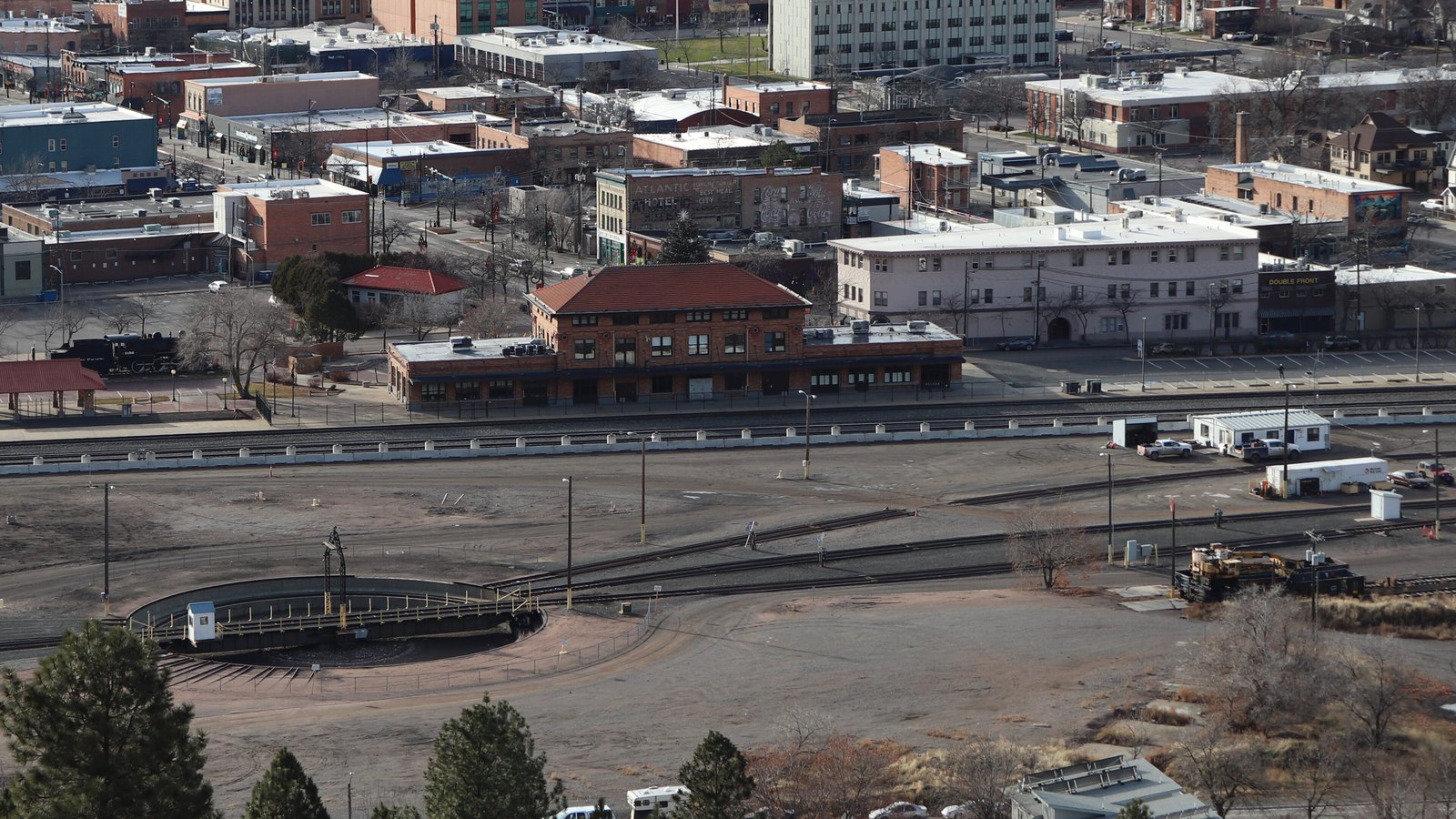

Missoula will not ask Lower Rattlesnake property owners to tax themselves for a railroad quiet zone. The city says it has dropped a special improvement district as the way to pay for the project, after a survey found most respondents wanted the train horns dealt with but fewer than half wanted to fund it that way.
Instead, the Public Works and Mobility Department will work with the railroad on a smaller step: a possible wayside horn at the Greenough Drive and Madison Street crossing, and only if existing funding can cover the whole cost, according to an Oct. 29 city update.
For people who live near the tracks on the north side of downtown, that means the horns stay for now. The decision also shows how a neighborhood fix can stall when the people who would benefit are also the ones asked to pay.
What the survey found
The city mailed and posted the Train Horn Noise Survey for property owners from Nov. 10 to Dec. 5, 2025. It drew 758 responses, a 33.57% response rate, which the city called well above its goal.
- 58.3% of respondents favored resolving train horn noise.
- 40.5% said they were “in favor” of forming a special improvement district to pay for the project.
After reviewing that feedback, the city “decided not to pursue an SID as a funding mechanism,” the update says. The full results and the project history are on the city’s Engage Missoula site under the Railroad Quiet Zone Project.
Why a district was on the table
A special improvement district lets a city build something that mainly benefits one area and bill the cost to the properties inside it, usually as an assessment on the tax bill over a set number of years. For a quiet zone, that money would pay for the crossing upgrades that federal rules require before trains can stop sounding their horns.
Under the Federal Railroad Administration’s train horn rule, locomotive engineers must sound the horn as a train approaches a public crossing. A community can set up a quiet zone, but it has to add safety measures at the crossings, such as medians or four-quadrant gates, so the risk without horns is no higher than with them.
Those upgrades are what make quiet zones expensive, and why the funding question decided this one.
A wayside horn at one crossing
A wayside horn is a horn mounted at the crossing itself. The FRA describes them as train-activated devices aimed at street traffic, which communities can use one for one in place of the locomotive horn. Because the sound is pointed down the road rather than carried along the tracks, fewer homes hear it.
The city has not given a cost or a timeline for the Greenough/Madison crossing. It said only that it will evaluate feasibility with the railroad and go ahead if current funding sources can fully cover the cost.
The quiet zone is one of several neighborhood projects working through City Hall this fall. Missoula also drew attention this month for a local AI firm’s lawsuit testing a new state law, and Kalispell is weighing 216 income-restricted apartments on Stillwater Road. More city and county coverage is in our Local News section.
The city says it will share updates on the wayside horn as more information becomes available. Residents with questions can follow the Railroad Quiet Zone Project page on Engage Missoula or contact the Public Works and Mobility Department.
Add The Montana Statesman as a preferred source on Google (opens in a new tab)