
Montana will receive $239.7 million in the second year of a five-year federal program meant to shore up rural hospitals, clinics and ambulance services, Gov. Greg Gianforte and the Department of Public Health and Human Services announced Monday.
The money comes from the Rural Health Transformation Program at the Centers for Medicare & Medicaid Services. CMS posted the year-two figures on Nov. 6. According to a DPHHS news release, Montana’s award was the third-highest among the 50 states, and the state also had the third-largest increase from year one to year two.
The program provides $50 billion nationwide from federal fiscal year 2026 through 2030, with $10 billion available each year. Half of each year’s pool is divided equally among states with approved plans; the rest is allocated using factors such as rural population and the strength of a state’s proposal. Montana obligated $233 million in first-year funds, a total that ranked fourth in the country, the department said.
“Montanans should be able to get quality health care without leaving the communities they call home,” Gianforte said. DPHHS Director Dr. Douglas Harrington said the larger second-year award reflects first-year performance and a plan to help rural facilities modernize records, stabilize operations and expand access, including in tribal communities.
In the first year, the state sent $10.8 million to rural emergency medical services agencies for ambulances and equipment, and $3.6 million to 17 agencies to start or expand Community Integrated Health programs. Those programs send EMS clinicians into homes for follow-up visits and chronic-disease support after a hospital stay, work the department has described as a way around long drives and limited mobility in frontier counties.
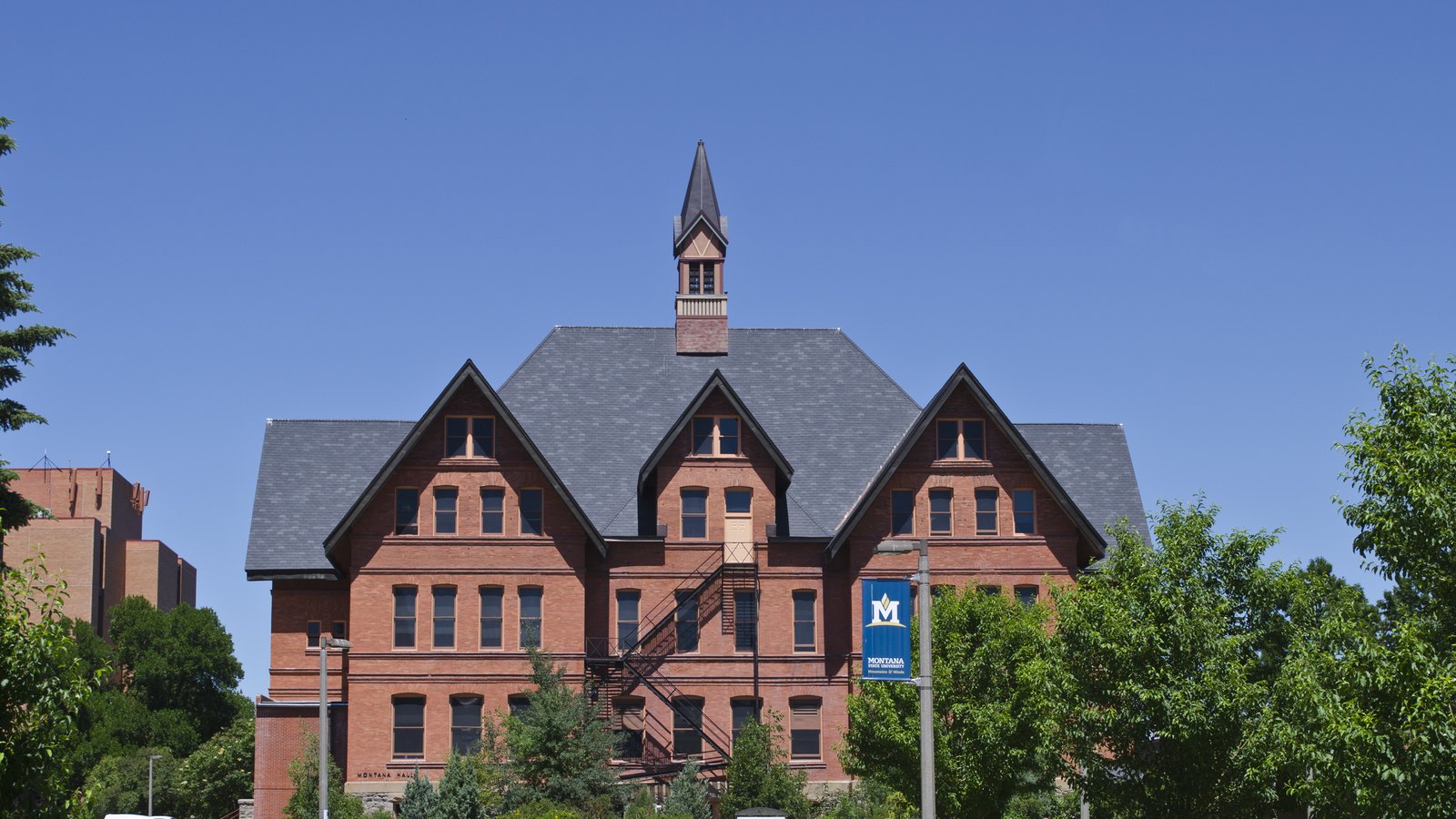
Officials also set up a Rural Health Center of Excellence, named a 25-member advisory council, and hired two partners to study which facilities can stay open and how to carry out the recommendations. The advisory committee has met at Montana State University in Bozeman. After members flagged maternal health, DPHHS added a home-visiting pilot for new and expecting parents to the year-two plan. Tribal liaisons have been meeting with tribal governments on a Community Health Aide Program.
Year two is supposed to move from planning into operations: the first wave of electronic health record grants, assessments of local access, workforce pipelines, and a wider rollout of community health aides. The federal rules do not let states add or drop the five core initiatives in their plans — workforce, sustainable access, new care models, prevention, and technology — though they can shift money and timelines inside those buckets.
Healthcare Today Montana noted the award in its Nov. 13 briefing, alongside other hospital news around the state. More on Montana’s plan is at ruralhealth.mt.gov.
Add The Montana Statesman as a preferred source on Google (opens in a new tab)