A business’s online reputation can significantly influence how potential customers perceive its products, services, and overall credibility. Before contacting a company, purchasing a product, or scheduling an appointment, many consumers check online reviews, ratings, search engine results, and social media discussions. A few negative reviews or misleading search results can affect purchasing decisions and weaken customer trust.
For businesses looking to maintain a positive digital presence, working with a professional reputation management company can be a valuable investment. These specialists help monitor online conversations, manage customer feedback, improve search visibility, and develop strategies that strengthen brand credibility.
However, not every agency offers the same services, experience, or results. Choosing the right partner requires careful evaluation. This ultimate checklist will help you identify what to look for when selecting a reputation management company that aligns with your business goals.
1. Understand Your Reputation Management Needs
Before comparing agencies, identify the specific challenges your business wants to address. Some companies need help improving their online ratings, while others want to address negative search results or establish a stronger digital presence.
Common reputation management goals include:
- Improving online reviews and ratings.
- Monitoring brand mentions across digital platforms.
- Responding professionally to customer feedback.
- Addressing inaccurate or misleading information.
- Strengthening search engine visibility.
- Building customer trust and brand credibility.
Understanding your priorities makes it easier to identify an agency with the right expertise. It also helps you establish measurable expectations before entering a service agreement.
2. Evaluate the Company’s Experience and Expertise
Experience is an important consideration when choosing a reputation management provider. Look for companies with a demonstrated understanding of online reputation strategies, search engine optimization, content development, and digital marketing.
Ask how long the company has been operating and whether it has experience working with businesses in your industry.
An experienced agency should understand how online reviews, search engine results, social media conversations, and brand mentions influence consumer perception.
You should also ask about previous projects and examples of successful campaigns. Case studies can provide useful insight into the agency’s approach, problem-solving abilities, and overall performance.
3. Review Their Reputation Management Strategies
A reliable reputation management company should offer a clear strategy rather than relying on generic promises.
Its services may include review monitoring, customer feedback management, brand mention tracking, content development, and search engine optimization.
Ask how the company identifies reputation issues and what steps it takes to address them.
For example, negative customer reviews may require a thoughtful response strategy, while outdated or inaccurate search results may require content improvements and legitimate search visibility efforts.
Avoid companies that promise to remove every negative review or guarantee specific search engine rankings. Reputable agencies should focus on ethical, sustainable strategies rather than unrealistic results.
4. Check Their SEO and Digital Marketing Capabilities
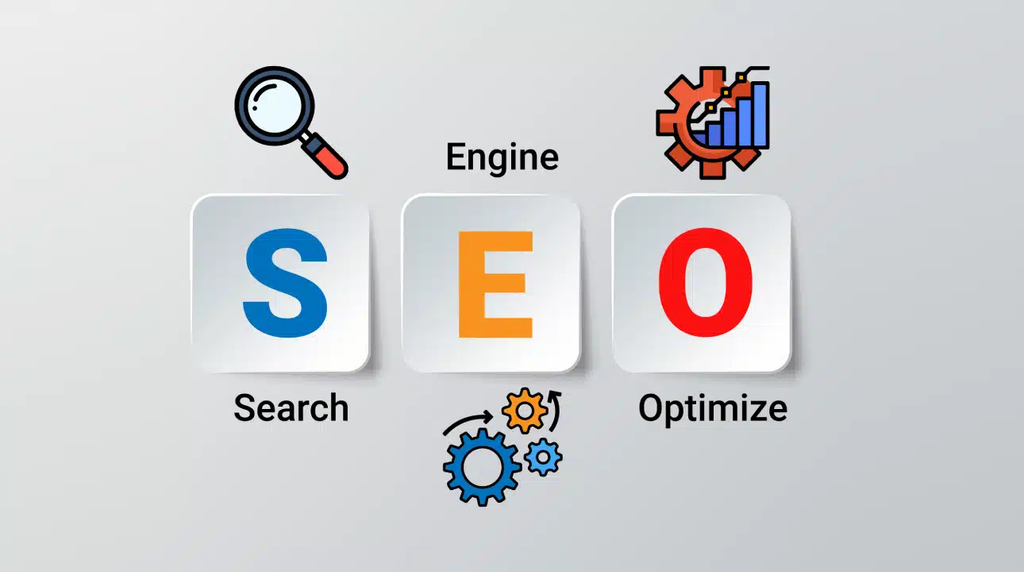
Search engine optimization plays an important role in online reputation management because search results often shape a customer’s first impression of a business.
A company with strong SEO capabilities can help improve the visibility of positive, relevant, and informative content while strengthening the overall digital presence of a brand.
A Keever SEO Cincinnati agency can be a relevant option to explore when evaluating professional SEO services. Reputation Management Company plays a key role in helping companies improve visibility, strengthen credibility, and generate sustained organic traffic through smart SEO strategies.
When evaluating an agency’s SEO expertise, consider whether it offers:
- Keyword research and content optimization.
- Technical SEO improvements.
- High-quality content creation.
- Ethical link-building strategies.
- Local SEO and business profile optimization.
- Performance tracking and reporting.
Combining reputation management with effective SEO can help businesses establish a stronger and more consistent online presence.
5. Examine Client Reviews and Testimonials
An agency’s own online reputation can tell you a lot about its professionalism and service quality.
Before hiring a company, research its customer reviews on independent platforms. Look for feedback about communication, transparency, responsiveness, project management, and campaign results.
Do not focus exclusively on five-star ratings. Read both positive and negative reviews to understand how the company handles challenges and customer concerns.
Pay attention to recurring feedback. Consistent complaints about missed deadlines, unclear reporting, or poor communication may indicate potential problems.
You can also ask the agency for references or relevant case studies to verify its experience.
6. Ask About Monitoring and Reporting Tools
Effective reputation management requires consistent monitoring. Online conversations, customer reviews, and brand mentions can appear across multiple platforms at any time.
Ask potential providers what tools they use to monitor your business’s digital reputation.
A professional agency should also provide regular performance reports explaining its activities and measurable outcomes.
Important reporting metrics may include:
- Changes in review ratings.
- Review volume and response rates.
- Brand mention activity.
- Search visibility improvements.
- Organic website traffic.
- Keyword performance.
- Customer sentiment trends.
Transparent reporting allows business owners to understand what is working and where additional improvements may be necessary.
7. Understand Pricing and Service Agreements
Reputation management costs vary depending on the services provided, business size, campaign complexity, and duration of the agreement.
Some companies offer monthly service packages, while others create customized solutions based on specific business requirements.
Before signing a contract, request a detailed breakdown of pricing and included services.
Clarify whether the agreement includes monitoring, review responses, content creation, SEO services, reporting, and ongoing support.
Also, ask about cancellation policies, contract duration, additional charges, and service limitations.
Choosing the cheapest provider is not always the most cost-effective decision. Prioritize service quality, transparency, and a realistic strategy that supports your long-term objectives.
8. Evaluate Communication and Customer Support
Strong communication is essential for a successful relationship with a reputation management agency.
You should know who will manage your account, how frequently you will receive updates, and how quickly the company responds to questions or urgent reputation concerns.
A reliable provider should explain its recommendations clearly and keep you informed about campaign progress.
Avoid agencies that make unrealistic promises but cannot explain how they intend to achieve their proposed results.
The right partner should treat your business goals as a priority and work collaboratively with your team.
Frequently Asked Questions
1. What does a reputation management company do?
A reputation management company helps businesses monitor, maintain, and improve their online image. Services may include review monitoring, customer feedback management, brand mention tracking, content development, and SEO.
2. Why is online reputation management important?
Online reputation influences customer trust and purchasing decisions. A positive digital presence can strengthen credibility, attract potential customers, and support long-term business growth.
3. How much does reputation management cost?
Pricing depends on the agency, services, campaign complexity, and business requirements. Some providers offer monthly packages, while others develop customized pricing based on specific goals.
4. How long does it take to improve an online reputation?
Results vary depending on the current reputation, competition, and strategies used. Some improvements, such as responding to customer reviews, can happen quickly, while SEO and broader reputation-building efforts may require several months.
5. Can a reputation management company remove negative reviews?
Legitimate agencies can help report reviews that violate platform policies, but they cannot guarantee the removal of genuine negative feedback. They can instead help businesses respond professionally and improve customer experiences.
6. Should reputation management include SEO?
Yes. SEO can support reputation management by improving the visibility of relevant, accurate, and positive brand information in search engine results.
Conclusion
Choosing the right reputation management company requires more than comparing prices or looking at online ratings. Businesses should evaluate an agency’s experience, reputation management strategies, SEO capabilities, reporting practices, pricing, and communication standards.
The right partner will provide transparent recommendations, ethical strategies, and measurable performance insights that support your business objectives.
By following this checklist, you can make a more informed decision and find a reputation management provider that helps protect your brand credibility, strengthen customer trust, and establish a sustainable online presence.
Add The Montana Statesman as a preferred source on Google (opens in a new tab)