Buying a used car is an excellent way to find reliable transportation without paying the higher price of a brand-new vehicle. In Nova Scotia, where residents rely on their vehicles for commuting, family activities, road trips, and everyday errands, choosing the right used car requires careful research and planning.
With so many makes, models, mileage ranges, and price points available, finding the perfect vehicle can feel overwhelming. The key is to understand your needs, establish a realistic budget, and evaluate each vehicle before making a purchase.
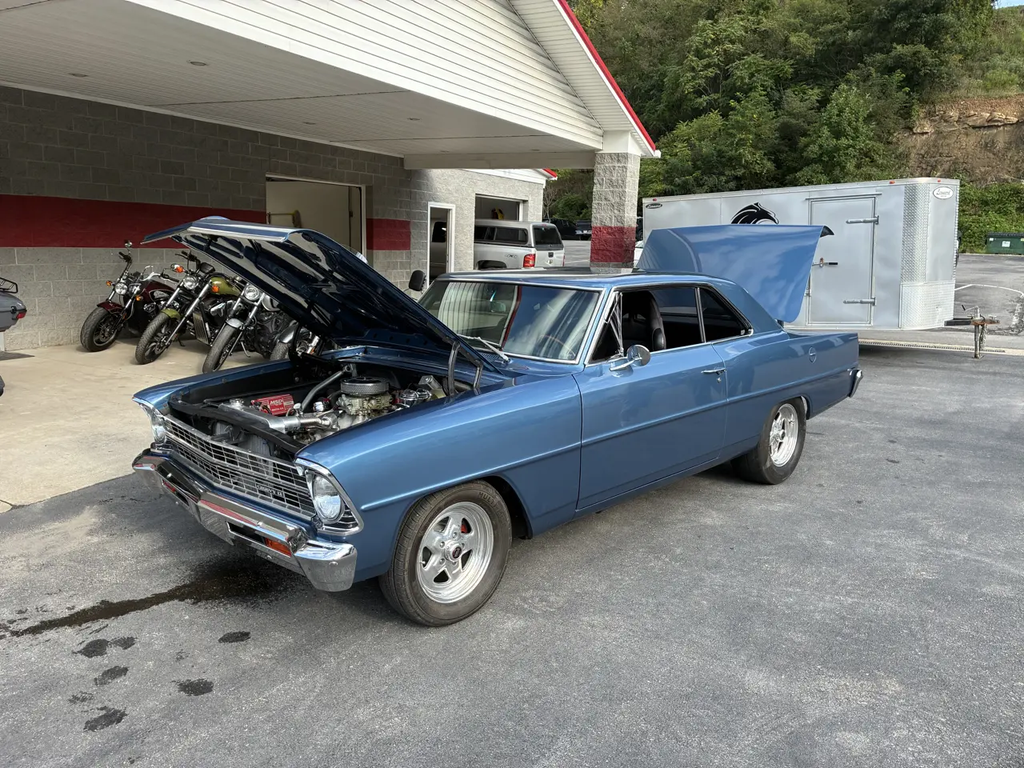
Whether you are a first-time buyer or looking to upgrade your current vehicle, knowing what to look for can help you make a confident decision. Here are some practical tips for choosing the right used car in Nova Scotia.
1. Determine Your Budget Before Shopping
Before exploring used vehicles, establish how much you can comfortably afford. Your budget should include more than the vehicle’s purchase price.
Consider additional expenses such as:
- Vehicle registration and licensing fees.
- Insurance premiums.
- Fuel expenses.
- Routine maintenance and servicing.
- Potential repairs and replacement parts.
- Financing interest, if applicable.
Nova Scotia buyers should also consider the province’s applicable taxes and vehicle-related fees when calculating their total purchase cost.
Setting a realistic budget helps narrow your options and prevents you from spending more than necessary. It is also wise to reserve some money for unexpected maintenance expenses after purchasing the vehicle.
2. Identify Your Driving Needs and Lifestyle
The best used car is one that matches your everyday transportation requirements. Think about how frequently you drive, the number of passengers you usually carry, and the types of roads you regularly travel.
For example, compact sedans are practical for commuting and navigating busy urban areas. SUVs offer additional passenger space, cargo capacity, and versatility for families or outdoor activities. Pickup trucks may be more suitable for buyers who regularly transport equipment or require towing capabilities.
Nova Scotia also experiences winter weather, including snow, freezing rain, and icy roads. Depending on your driving conditions, you may want to consider an all-wheel-drive vehicle or a model with strong winter safety features.
Choosing a vehicle based on your actual lifestyle will make your purchase more practical in the long run.
3. Research Reliable Makes and Models
Not all used vehicles offer the same level of reliability, maintenance costs, and long-term performance. Before visiting a dealership, research different manufacturers and models that fit your budget.
Look into owner reviews, reliability ratings, common mechanical issues, fuel efficiency, and estimated maintenance expenses.
Some popular manufacturers worth researching include Toyota, Honda, Mazda, Hyundai, and Ford. However, reliability can vary depending on the specific model year, maintenance history, and previous ownership.
It is also important to investigate whether replacement parts are readily available and whether qualified mechanics in your area can service your chosen vehicle.
A little research beforehand can help you avoid models with recurring mechanical problems or unusually expensive maintenance requirements.
4. Compare Available Used Car Dealerships
Choosing the right dealership is just as important as selecting the right vehicle. A reputable dealership should provide accurate vehicle information, transparent pricing, and helpful customer service.
To find the right used car in Nova Scotia, assess your budget, vehicle type needs, and long-term reliability. Carlantic Nova Scotia car dealership offers a wide range of makes and models, helping you compare features and secure a car that fits your lifestyle.
When comparing dealerships, consider their vehicle inventory, customer reviews, financing options, and willingness to answer questions about vehicle history.
Avoid rushing into a purchase simply because a particular vehicle looks attractive or has a discounted price. Take time to compare several options and make sure you understand the terms of the transaction.
5. Check the Vehicle History Report
A vehicle’s appearance does not always reveal its complete condition. Before purchasing a used car, request a vehicle history report to understand its background.
A comprehensive report may provide information about:
- Previous ownership records.
- Reported accidents and collision damage.
- Outstanding liens.
- Registration history.
- Reported odometer readings.
- Previous branding or damage records.
In Canada, services such as CARFAX Canada can help buyers review available vehicle history information.
However, remember that a clean report does not guarantee that a vehicle has never been damaged. Not every accident or repair is necessarily reported. Use the report as one part of your overall evaluation.
6. Inspect the Vehicle’s Mechanical Condition
A thorough inspection is essential when buying a used vehicle. Even if a car looks clean and well-maintained, underlying mechanical problems may not be immediately visible.
Check the following components:
- Engine: Look for unusual noises, leaks, smoke, or warning lights.
- Transmission: Pay attention to rough shifting, slipping, or delayed engagement.
- Brakes: Check for unusual sounds, vibrations, or reduced stopping performance.
- Tires: Inspect tread depth and look for uneven wear.
- Suspension: Listen for clunking sounds and notice unusual handling.
- Interior and electronics: Test the air conditioning, heating, windows, dashboard displays, and other controls.
Because Nova Scotia experiences harsh winter conditions, pay particular attention to rust underneath the vehicle, especially around the frame, suspension components, and other exposed metal areas.
Whenever possible, arrange an independent pre-purchase inspection with a qualified mechanic.
7. Take the Car for a Test Drive
A test drive allows you to experience how the vehicle performs under normal driving conditions.
Start the engine and pay attention to how smoothly it runs. Test the steering, brakes, acceleration, transmission, and suspension.
If possible, drive on different types of roads, including residential streets and highways. This helps you evaluate comfort, visibility, road noise, and overall handling.
Also, check whether the vehicle has enough legroom, cargo space, and seating comfort for your daily needs.
Never feel pressured to purchase a vehicle without taking it for a proper test drive.
8. Review Financing, Warranty, and Documentation
Before finalizing your purchase, carefully review the paperwork and understand all associated costs.
If you plan to finance the vehicle, compare interest rates, loan terms, monthly payments, and the total amount payable. A lower monthly payment does not necessarily mean a better deal if the financing period is significantly longer.
Ask whether the vehicle includes a warranty or whether additional coverage is available. Understand what components are covered, the duration of the protection, and any exclusions.
Finally, verify that the vehicle identification number (VIN), ownership documents, and sales agreement are consistent. Check for outstanding liens and confirm that the seller can legally transfer ownership.
Taking these precautions helps protect you from unexpected financial and legal complications.
Frequently Asked Questions
1. What should I consider when buying a used car in Nova Scotia?
Consider your budget, driving requirements, vehicle reliability, mileage, maintenance history, and overall mechanical condition. Always review the vehicle history and arrange an inspection when possible.
2. How many kilometres are acceptable for a used car?
There is no universal ideal mileage. A well-maintained vehicle with higher kilometres may be a better purchase than a poorly maintained car with lower mileage. Service history and mechanical condition are more important than mileage alone.
3. Should I buy a used car from a dealership or a private seller?
Both options have advantages. Dealerships may offer financing, warranties, and a selection of vehicles, while private sellers may offer different pricing opportunities. Regardless of the seller, inspect the vehicle and verify its documentation.
4. Is an SUV better for driving in Nova Scotia winters?
An SUV with all-wheel drive can provide additional traction in certain winter conditions. However, proper winter tires, careful driving, and appropriate vehicle maintenance are essential regardless of vehicle type.
5. Should I get a mechanic to inspect a used car?
Yes. An independent pre-purchase inspection can identify mechanical issues, rust, and potential repairs that may not be obvious during a regular test drive.
6. What documents should I check before buying a used car?
Review the vehicle registration and ownership documentation, bill of sale, VIN, available vehicle history report, lien information, and any applicable warranty paperwork.
Conclusion
Choosing the right used car in Nova Scotia involves more than finding an attractive vehicle at an affordable price. Buyers should carefully evaluate their transportation needs, establish a realistic budget, research reliable models, and inspect every potential purchase.
Taking time to compare dealerships, review vehicle history reports, arrange professional inspections, and complete a thorough test drive can help you avoid costly mistakes.
Ultimately, the best used car is one that offers dependable performance, practical features, affordable ownership costs, and confidence on the road. With proper research and preparation, you can find a vehicle that supports your lifestyle and serves you well for years to come.
Add The Montana Statesman as a preferred source on Google (opens in a new tab)