
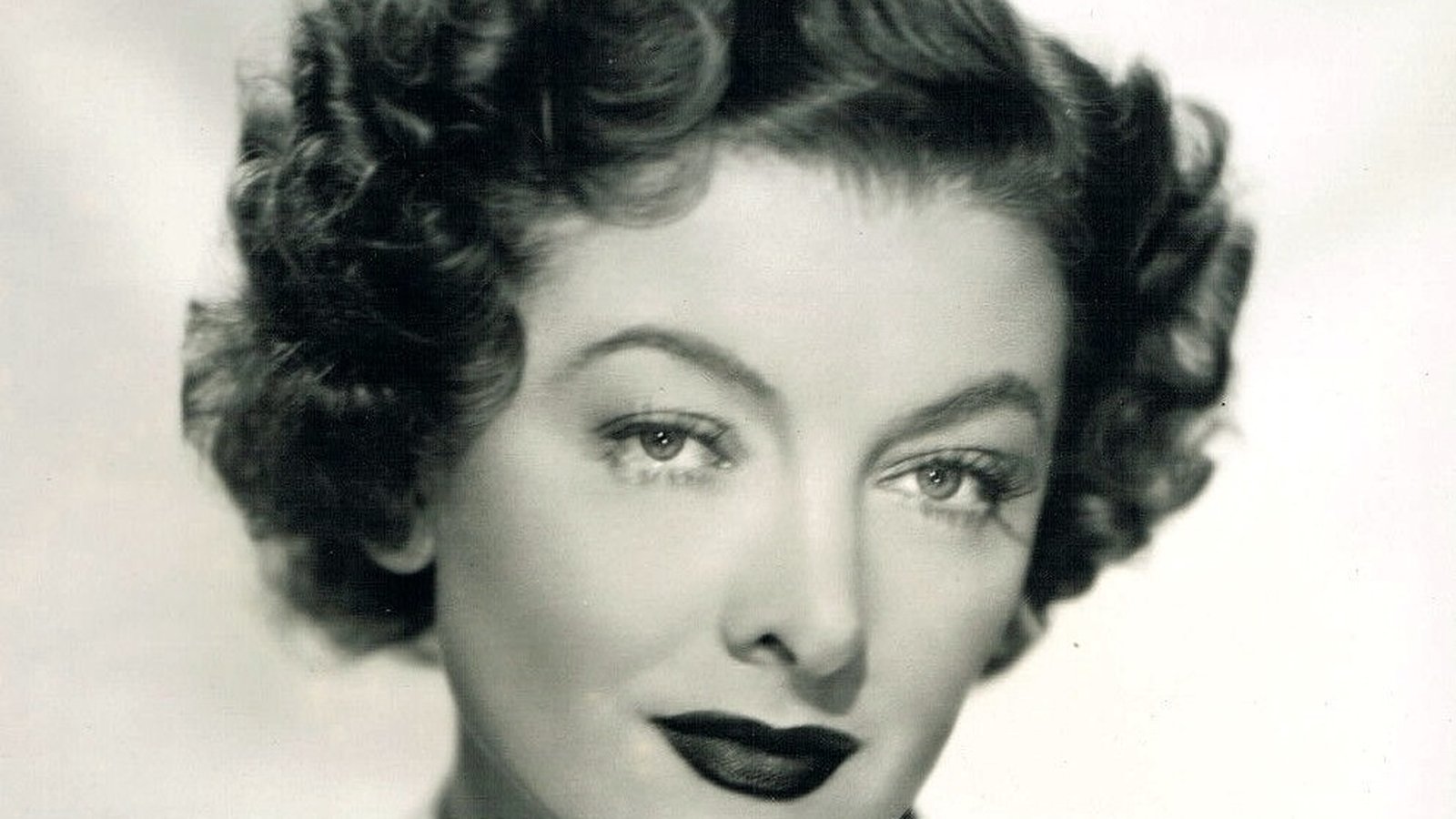

Myrna Adele Williams was born in 1905 near Radersburg, a small mining town south of Helena, and spent her early childhood on her family’s ranch and in Helena. Her father, David Williams, was a rancher, banker and member of the state legislature. He died in the 1918 influenza pandemic, and her mother moved the family to Southern California.
She danced and modeled as a teenager and began appearing in silent films in the mid-1920s, often cast as an exotic villain. The breakthrough came in 1934 with “The Thin Man,” in which she and William Powell played Nick and Nora Charles, a married couple solving crimes between cocktails. The film was a hit and spawned five sequels, and the image of Loy as the witty, modern wife stuck.
A serious second act
At the height of her fame, Loy was voted Queen of the Movies in a 1936 newspaper poll, with Clark Gable as King. She starred in “The Best Years of Our Lives” in 1946, a film about returning World War II veterans that won the Academy Award for Best Picture.
During the war she largely stepped away from film to work for the Red Cross, and later she was active in Democratic politics, worked with UNESCO and spoke out against segregation and McCarthyism.
She received an honorary Academy Award in 1991 and died in New York in 1993.
In Helena, the Myrna Loy Center for the Performing and Media Arts operates in the old Lewis and Clark County Jail on Last Chance Gulch, showing independent film and hosting live performance. It is a fitting tribute to a hometown star who never stopped mentioning where she came from.