
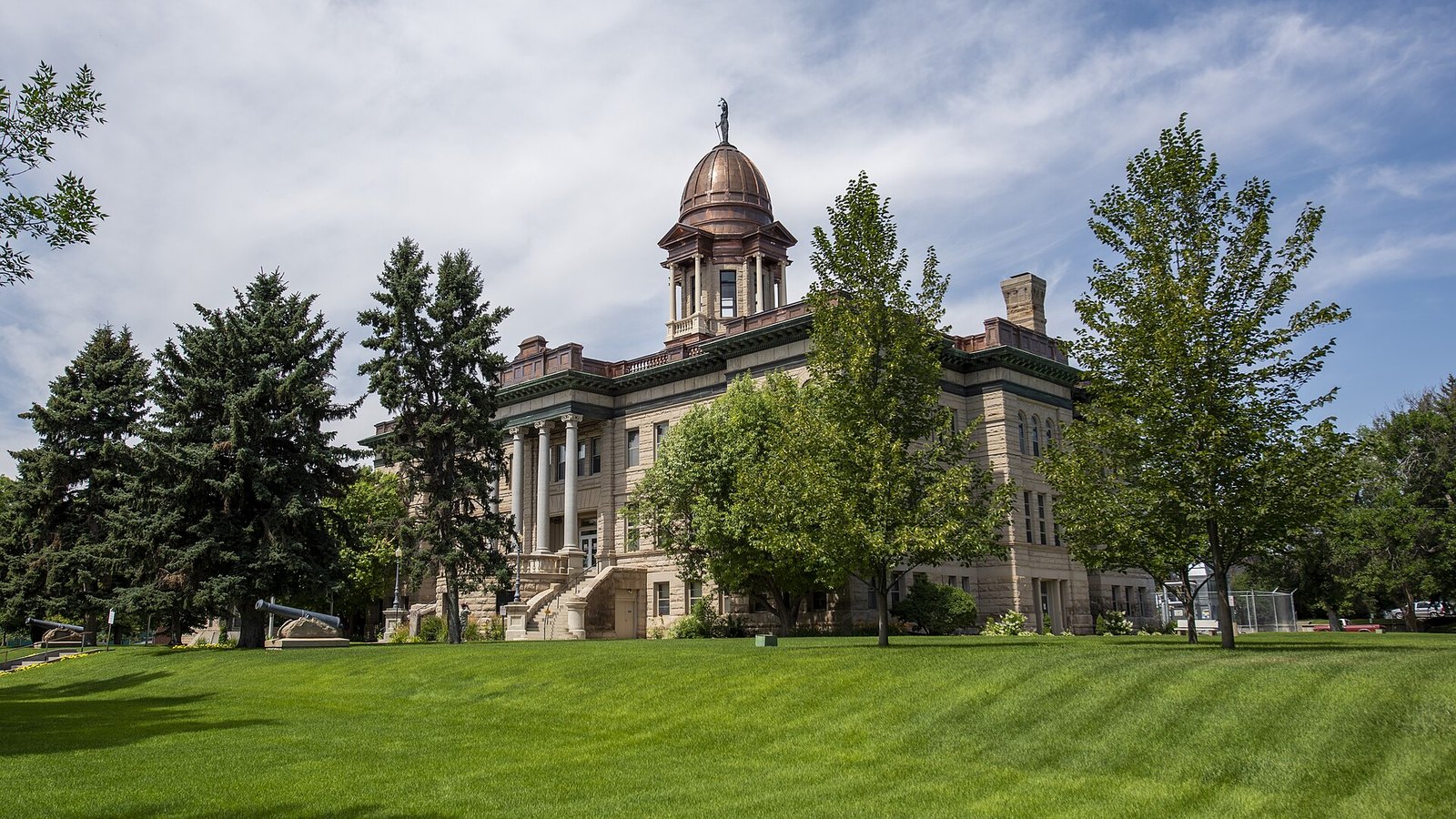

Cascade County prosecutors have charged an out-of-state petition circulator with four misdemeanors tied to hundreds of suspicious signatures that turned up on nominating petitions for two independent congressional candidates this spring. The man named in the complaint, Nathan Ross Harlan, has not been arrested. A warrant is out, and investigators have tied him to addresses in nine Southern states.
The charges, reported Oct. 27 by Montana Free Press, are four counts of accountability for deceptive election practices. They land less than a week before the Nov. 3 general election, and they close one chapter of a story that started in a county elections office in May.
How the signatures were caught
Independent candidates in Montana have to collect signatures to get on the ballot, and county election staff check each one against the voter file. In May, workers in Cascade County began noticing petition sheets that didn’t look right. One staffer found her own daughter’s name on a petition line. Her daughter doesn’t live in Montana.
Charging documents describe four petition packets that drew scrutiny. Three held between 200 and 250 signatures each, and the fourth held 95. When investigators reached people listed in one of the packets, 51 of them said they had never signed it. Some sheets carried the names “Steven Ball” and “Manuel Diaz” as circulators, which prosecutors say were aliases.
In all, about 810 signatures were flagged as suspicious. None of them counted toward either candidate qualifying for the ballot.
Who hired whom
The petitions were for two independents: Seth Bodnar, who is running for the U.S. Senate, and Michael Eisenhauer, who is running for the U.S. House in Montana’s eastern district. Neither campaign has been accused of wrongdoing, and both had their signature drives handled through contractors.
According to the reporting, the work ran through a chain of firms. Ballot Access Marketing, owned by Christopher Thrasher, subcontracted part of the signature gathering to Sun Belt Strategies, the company tied to Harlan. Thrasher terminated Harlan’s contract in April after he failed to deliver the 9,000 signatures he had promised, and demanded the return of a $5,000 fee paid up front. Records show Harlan had bought a copy of the Montana voter file in March.
That detail matters to investigators because a voter file contains the names and addresses of registered voters. Anyone copying names from it onto petition sheets would produce lines that look legitimate at a glance and fall apart only when someone calls the people listed.
A lawsuit that went nowhere
The flagged signatures also drew a court challenge. Brian Miller, the Democrat in the eastern district House race, filed a lawsuit over the petitions and then dropped it in September. Miller is on the ballot against Eisenhauer and Republican Rep. Troy Downing.
Because the bad signatures were thrown out before the qualification count, the candidates’ ballot status wasn’t affected. Bodnar and Eisenhauer both appear on the general election ballot.
Cascade County Attorney Josh Racki’s office filed the complaint. Secretary of State Christi Jacobsen, whose office oversees elections statewide, praised the county election workers who spotted the problem.
What it means for voters now
For people voting this fall, the case doesn’t change anything on the ballot. It is a misdemeanor prosecution of one circulator, and it rests on signatures that were never counted.
Turnout so far suggests Montanans are paying attention to the races anyway. As of Oct. 29, Montana Public Radio reported, 257,566 of the 527,595 absentee ballots sent out had been returned, or 48.82%. Absentee voters who still have a ballot at home can drop it at their county election office or an official drop-off location until 8 p.m. on Nov. 3. Postmarks don’t count in Montana; the ballot has to be in the county’s hands by the close of polls.
Voters who want to confirm their ballot was received can check its status through the Secretary of State’s My Voter Page at prodvoterportal.mt.gov.
The case from here
Harlan will have to be found before the case can move forward. Misdemeanor warrants don’t always lead to an extradition from another state, so it isn’t clear when, or whether, he will appear in a Cascade County courtroom. Each count of deceptive election practices carries a possible fine and jail time under Montana law if he is convicted.
The case also puts a spotlight on how signature drives are run. Campaigns that hire a contractor often have little view of who is actually holding the clipboard once the work is passed down to a subcontractor. Here, the problems surfaced only because county staff checked names against the voter file one line at a time, and because one of them happened to recognize a name that shouldn’t have been there.