
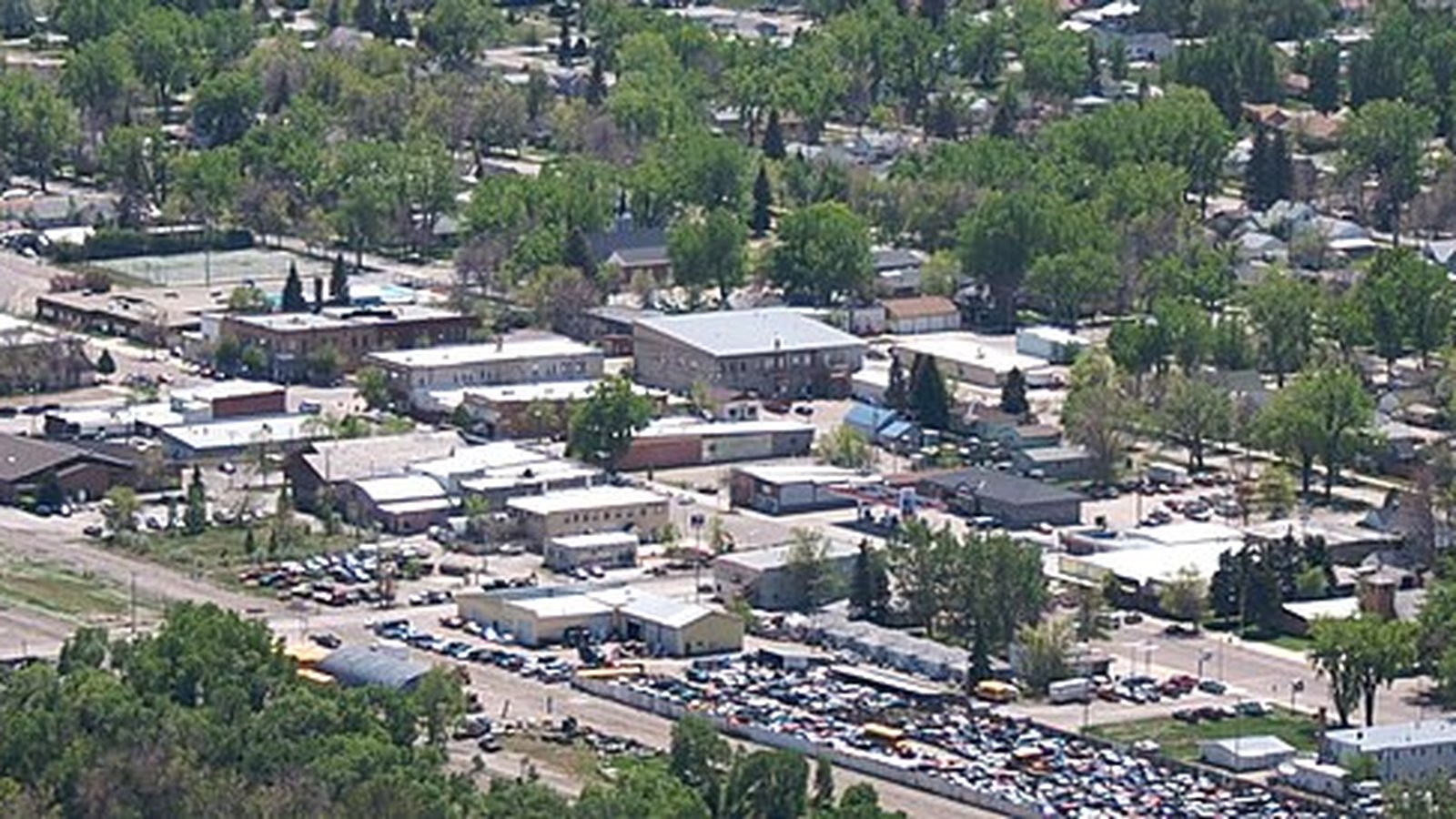

Alfred Bertram Guthrie Jr. was born in Indiana in 1901 and moved with his family to Choteau, on the Rocky Mountain Front, as an infant. His father was the first principal of the town’s high school. Guthrie grew up looking at the same wall of mountains that would show up in nearly everything he wrote.
After studying journalism at the University of Montana, he spent about two decades at the Lexington Leader in Kentucky, rising from reporter to executive editor. A Nieman Fellowship at Harvard gave him time to finish a novel.
The Big Sky
That novel was “The Big Sky,” published in 1947. It follows a young Kentuckian named Boone Caudill into the fur trade of the northern Rockies in the 1830s, and it is a hard, unromantic book about men who helped destroy the world they loved. The title stuck to the state; Montana has been Big Sky Country ever since.
His next novel, “The Way West,” about a wagon train on the Oregon Trail, won the Pulitzer Prize for Fiction in 1950. Guthrie also wrote the screenplay for “Shane,” which earned him an Academy Award nomination, and later a series of mysteries set in a fictional Montana town.
He returned to Montana and lived for many years on his place near Choteau, where he became an outspoken conservationist. He opposed dams and development along the Front and supported protecting what became the Bob Marshall and Scapegoat wilderness areas.
Guthrie died in 1991 at his home near Choteau. Readers who drive Highway 89 north of Augusta can see the country he spent his life describing.