
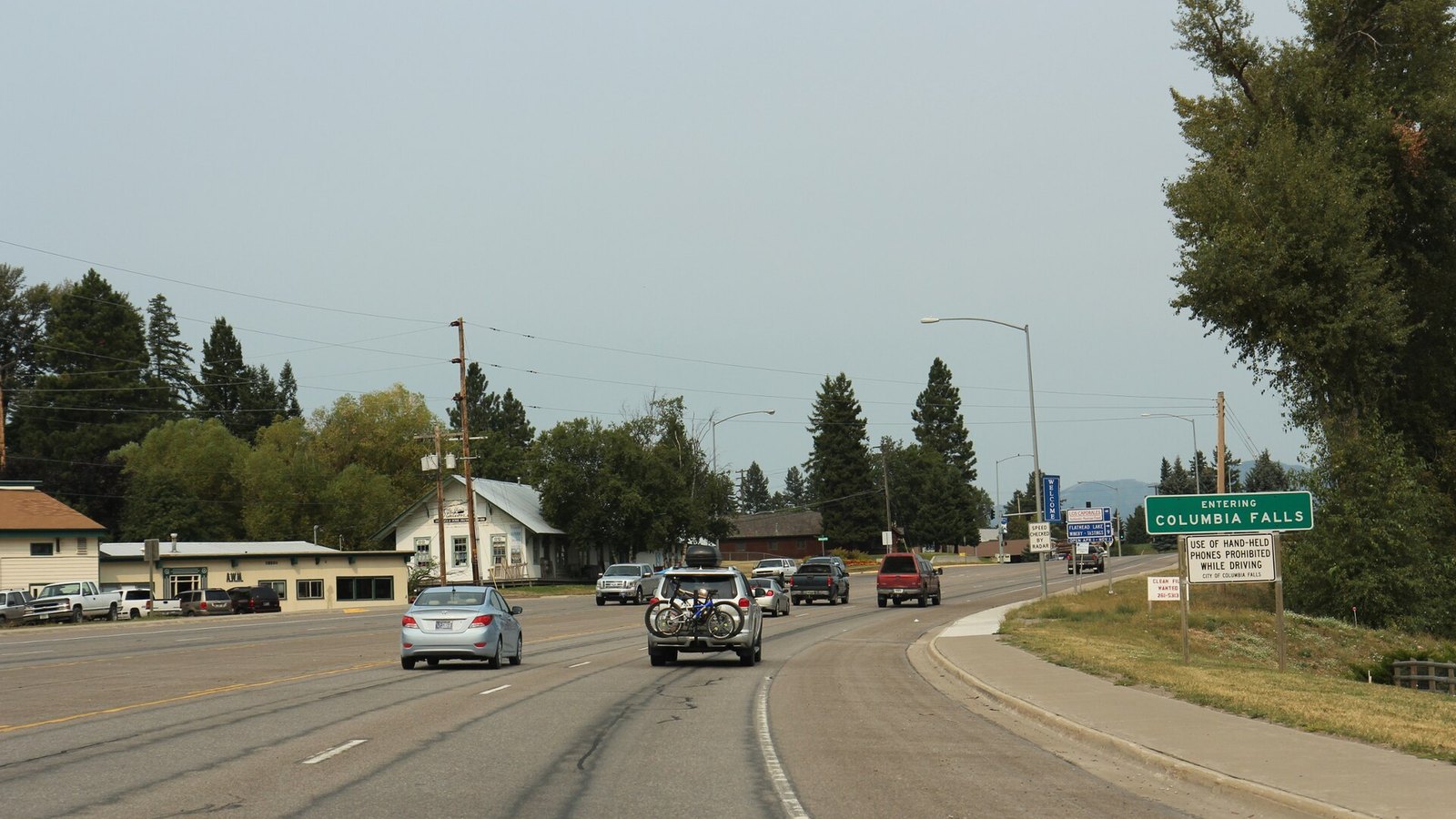

A rancher-owned meat plant in Columbia Falls is getting $1.3 million from the federal government to replace equipment that, in some cases, is older than the cooperative’s youngest members.
Glacier Processing Cooperative was one of seven Montana processors named in the latest round of the U.S. Department of Agriculture’s Meat and Poultry Processing Expansion Program, the Daily Inter Lake reported. Nationally the program is handing out $57 million across 40 states. Montana’s share comes to about $2.4 million, and the Flathead co-op’s award, roughly $1.31 million, is by far the largest piece of it.
The money is going to things most shoppers never think about when they buy a package of ground beef: new saws and cutting equipment, a packaging machine, a smokehouse and a round of facility improvements. Co-op board president Mark Siderius told the Inter Lake that much of what the plant runs on now is 30 to 40 years old, and that the co-op went through its existing expansion plan and pulled out the items that qualified for grant money.
A bigger building and more hook space
The equipment is one part of a larger build-out. A new 6,000-square-foot processing building will let Montana Jerky Company, which shares the site, take over the whole of the current building. That building is also where the harvest crew now butchers animals and packs meat, so the move frees up room on both sides.
The expansion adds packaging space and more coolers for dry-aging beef, enough to hang about 100 head at a time, according to Siderius. That matters for members who want to sell into grocery stores or directly to customers, because aging capacity and a steady kill schedule are usually the bottlenecks for small producers trying to move beyond selling a few sides of beef to neighbors. Siderius has said the extra hook space should cover a decade or more of growth.
The cooperative itself is young. It was formed in 2023 by area ranchers who wanted to make sure fee-for-service processing stayed available in the valley. Small processors in the region often book out months ahead, and producers who can’t get a slot often end up hauling animals long distances or selling at the sale barn instead of under their own name.
Where the rest of Montana’s money went
The six other Montana recipients are spread across the state, mostly in small towns:
- S Ranch Meats, Big Horn County: $250,000
- Superior Meats Inc., Mineral County: $305,424
- Lolo Locker LLC, Missoula County: $173,338
- Big Sky Processing LLC, Fergus County: $127,500
- Prairie Meats LLC, Liberty County: $124,832
- Bear Paw Meats LLC, Blaine County: $111,543
The program is run by USDA Rural Development’s Rural Business-Cooperative Service and is meant to add competition to a meatpacking business dominated by a handful of large companies. About $200 million has gone out to independent processors under it so far, according to the agency.
Bill Warden, USDA Rural Development’s state director for Montana, said in the agency’s announcement that more consumers want to know where their food comes from and that the grants are meant to connect Montana ranchers with buyers looking for locally raised, locally processed meat.
For Glacier Processing, the practical upshot is capacity. Members have been working around old equipment and a building that has to do too many jobs at once. Siderius credited the ranchers who signed on to the co-op for getting it this far. “They’re making this all happen,” he told the Inter Lake.
The grant arrives during a busy stretch for Montana ag business news. Bridger Pipeline’s proposed route across the eastern part of the state, harvest rain that knocked down durum quality, and a federal push to speed permits for big projects have all been in play this fall. For a small-town meat plant, though, a new smokehouse and a packaging line are the kind of upgrade that shows up right away on the cutting floor.
Add The Montana Statesman as a preferred source on Google (opens in a new tab)