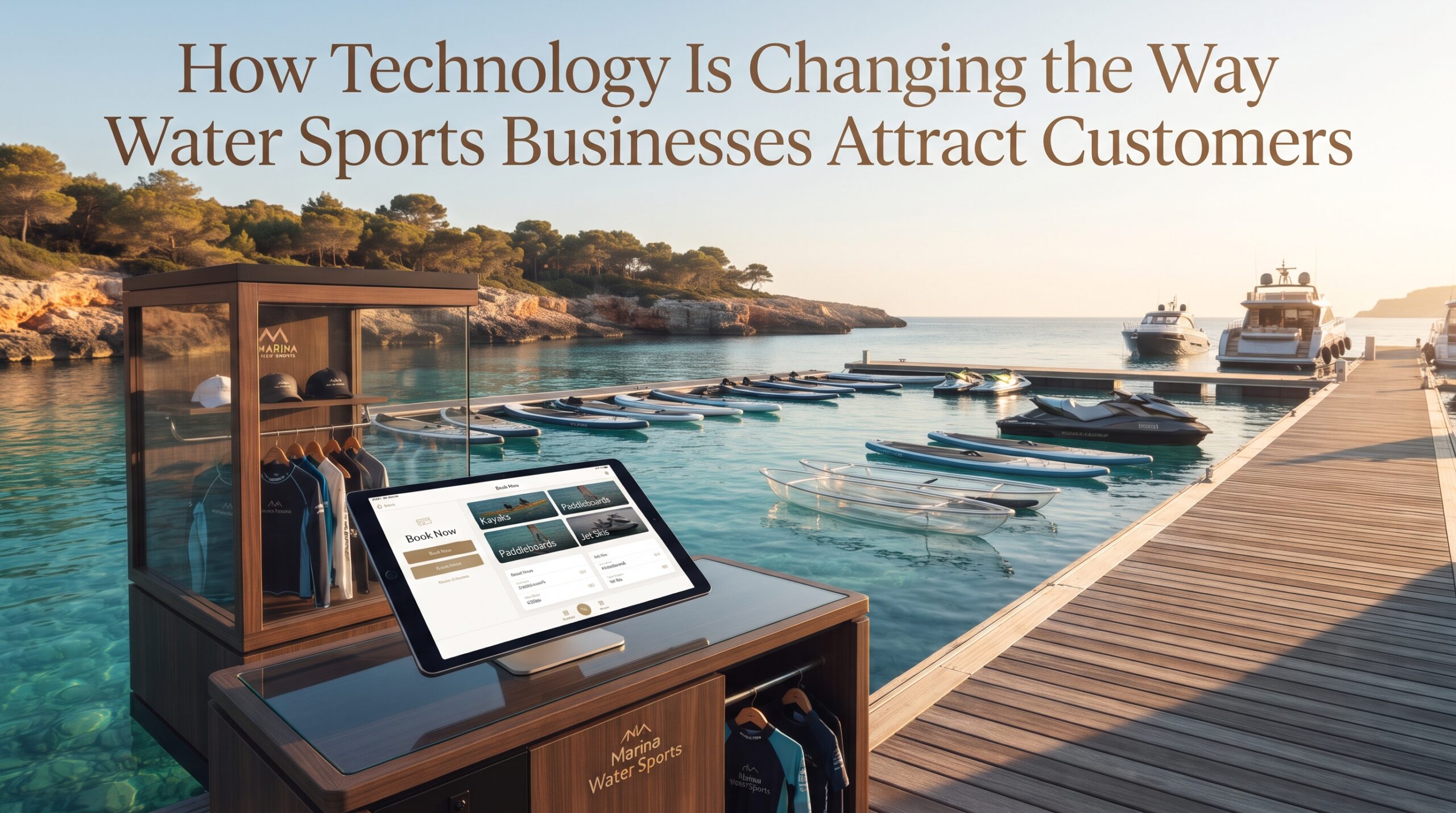
Water sports businesses have always depended on attracting people who want to enjoy the outdoors, explore new destinations, and experience activities on the water. Whether a company offers jet ski rentals, boat tours, fishing charters, parasailing, kayaking, paddleboarding, or snorkeling excursions, its success depends on reaching the right customers at the right time.
In the past, many operators relied heavily on local advertising, referrals, hotel partnerships, and walk-in reservations. These methods can still be valuable, but customer behavior has changed. Today, travelers and local residents often discover activities through Google searches, social media, online reviews, travel websites, and digital advertisements. They compare prices, read customer experiences, check availability, and expect to complete reservations quickly from their phones.
Technology has transformed how water sports companies promote their services, communicate with potential guests, and turn interest into confirmed bookings. Digital marketing platforms, customer relationship management systems, automated messages, and online booking tools now make it possible for even smaller operators to compete more effectively.
Understanding these changes can help water sports businesses build stronger marketing strategies, improve customer experiences, and generate more consistent revenue throughout the year.
Customers Are Discovering Water Sports Businesses Online
One of the biggest changes in the tourism industry is the way people research activities before making a purchase. Instead of waiting until they arrive at a destination to look for things to do, many travelers begin planning weeks or months in advance.
Someone planning a beach vacation might search for boat excursions, jet ski rentals, snorkeling experiences, or fishing charters before booking a hotel. Another traveler may use Google Maps to find water activities near their resort after arriving at their destination.
This behavior creates opportunities for businesses that have a strong online presence.
A well-organized website allows potential customers to understand what a company offers, explore available experiences, view photographs, compare packages, and find answers to common questions. Clear information can make the difference between someone continuing to research and someone deciding to book.
Businesses should make sure their websites include:
- Detailed descriptions of each activity.
- Clear pricing and package information.
- High-quality photographs and videos.
- Available dates, times, and booking options.
- Location details and meeting instructions.
- Safety information and frequently asked questions.
- Customer reviews and contact information.
The goal is to make the decision process as simple as possible. If visitors cannot quickly understand what an experience includes or how to reserve it, they may move on to another provider.
Search Engines Help Businesses Reach Customers With Strong Intent
Search engines have become an important source of customers for water sports operators. People searching for terms such as “jet ski rentals near me,” “boat tours in Miami,” or “fishing charters in Nassau” are often actively considering an activity.
This makes search visibility particularly valuable.
Search Engine Optimization
Search engine optimization, commonly called SEO, helps a business appear in organic search results. A water sports company can improve its visibility by creating useful website content around the activities it offers and the locations it serves.
For example, a company offering several boating experiences might create separate pages for sunset cruises, private charters, snorkeling trips, and fishing excursions. Each page can explain the experience, identify the intended audience, answer common questions, and provide a convenient way to book.
Location-specific content is also important. A traveler searching for activities in a particular destination should be able to find relevant information about the company’s services in that area.
A business can strengthen its organic visibility by:
- Creating dedicated pages for individual activities.
- Publishing helpful travel and activity guides.
- Using relevant location-based keywords naturally.
- Keeping business information accurate across online directories.
- Collecting genuine customer reviews.
- Improving website speed and mobile usability.
SEO generally requires consistent effort, but it can help companies attract visitors who are already interested in their services.
Local Search Visibility
Local search is especially important for operators serving a specific coastal community or tourist destination.
When someone searches for a nearby boat rental or water activity, search engines may display local business listings, maps, contact information, photographs, and customer reviews.
Maintaining an accurate business profile can help potential customers find important details without having to visit several different websites.
Businesses should keep their operating hours, phone numbers, location information, website links, and service descriptions updated. Recent photographs and authentic reviews can also help visitors understand what to expect.
Paid Digital Advertising Creates Opportunities for Faster Growth
SEO helps businesses build long-term visibility, but companies sometimes need a more immediate way to reach potential customers. Paid advertising provides another opportunity.
Platforms such as Google Ads allow water sports operators to display advertisements when people search for relevant activities. Social media advertising can also introduce experiences to travelers based on their interests, location, and online behavior.
Reach People Actively Searching for Activities
Paid search advertising can be particularly useful because it reaches people who are already expressing interest in a specific service.
For example, a person searching for a private boat charter may be further along in the purchasing process than someone casually browsing vacation photographs. An advertisement that directly addresses the searcher’s needs can encourage that person to visit the website and explore available options.
Campaigns should be organized around specific activities rather than treating every service as the same product. Someone searching for a fishing charter has different expectations from someone looking for a family-friendly boat tour.
Creating separate campaigns and landing pages makes it easier to deliver relevant information and measure which services attract the most interest.
Social Media Advertising
Social platforms provide another way to introduce customers to water sports experiences.
Videos showing clear water, boats, coastal scenery, exciting activities, and satisfied guests can capture attention and inspire people to learn more. Businesses can use these visuals to promote seasonal packages, special offers, private experiences, and group activities.
Add The Montana Statesman as a preferred source on Google (opens in a new tab)