
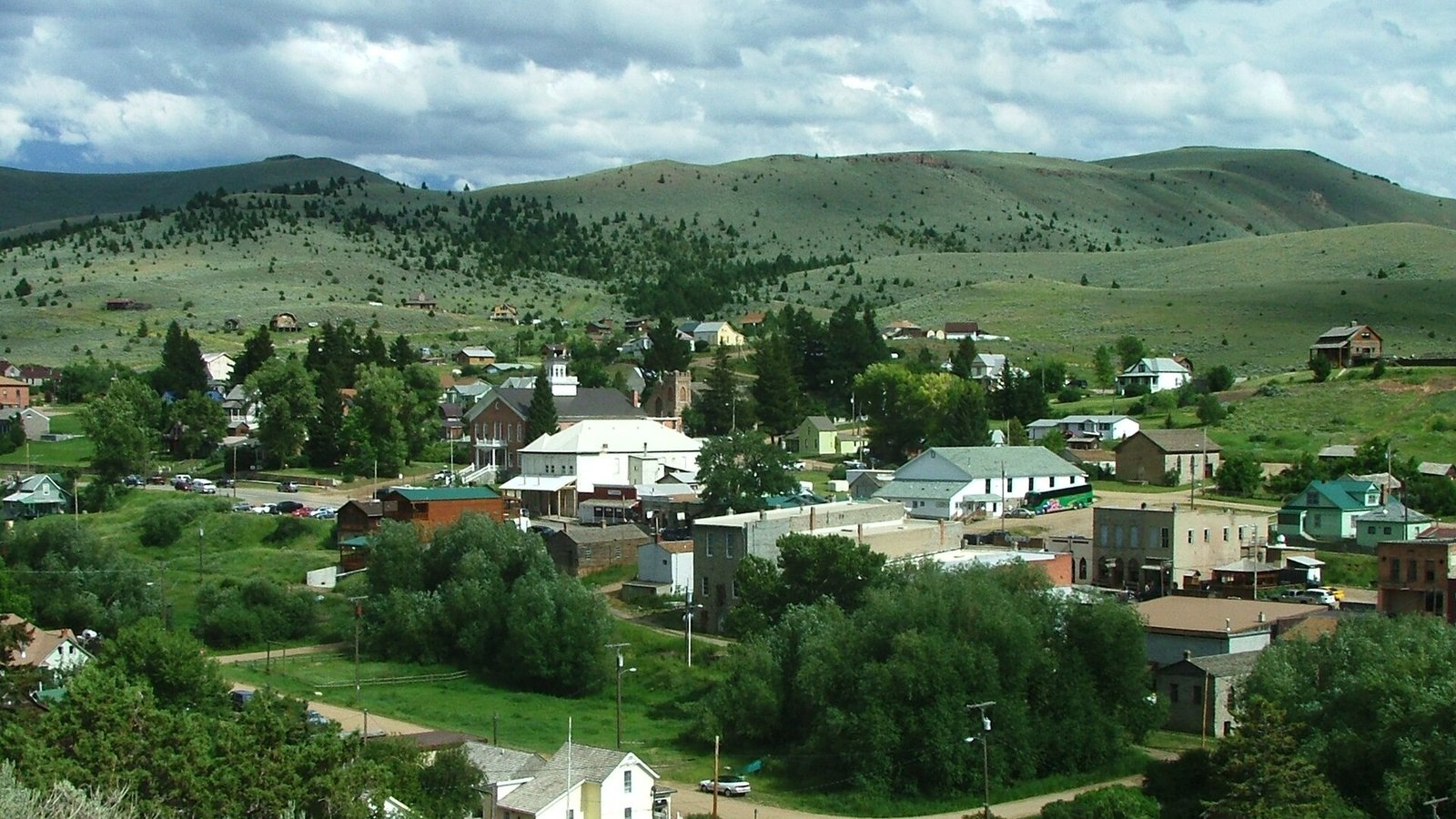

Gold was found in Alder Gulch in 1863, and within months Virginia City was one of the biggest towns in the Northern Rockies. It served as Montana’s territorial capital until 1875. The boom did not last, but the buildings mostly did, and that is what keeps the town in business.
For much of the 20th century, Charles and Sue Bovey bought and preserved buildings in Virginia City and nearby Nevada City, turning them into a tourist attraction stocked with period goods. When the Bovey heirs looked to sell in the 1990s, there was real worry the collection would be broken up. In 1997 the state of Montana bought the properties, and the Legislature created the Montana Heritage Commission to manage them.
A mixed economy
Today, the town works as a partnership. The commission runs buildings, exhibits and attractions such as the Alder Gulch Short Line railroad between the two towns. Private businesses lease space or own their own buildings along Wallace Street: candy shops, saloons, the Virginia City Players’ summer theater, the Brewery Follies, hotels and restaurants.
The season is short. Most businesses open around Memorial Day and close after Labor Day or by early fall, so owners have to make a year’s living in about four months. The year-round population is under 200.
The state’s ownership has its own tensions. Maintaining more than a hundred historic structures is expensive, and lawmakers periodically question how much the state should spend. Supporters point to visitor spending in Madison County and to the fact that, without the 1997 purchase, much of the town might not be standing.