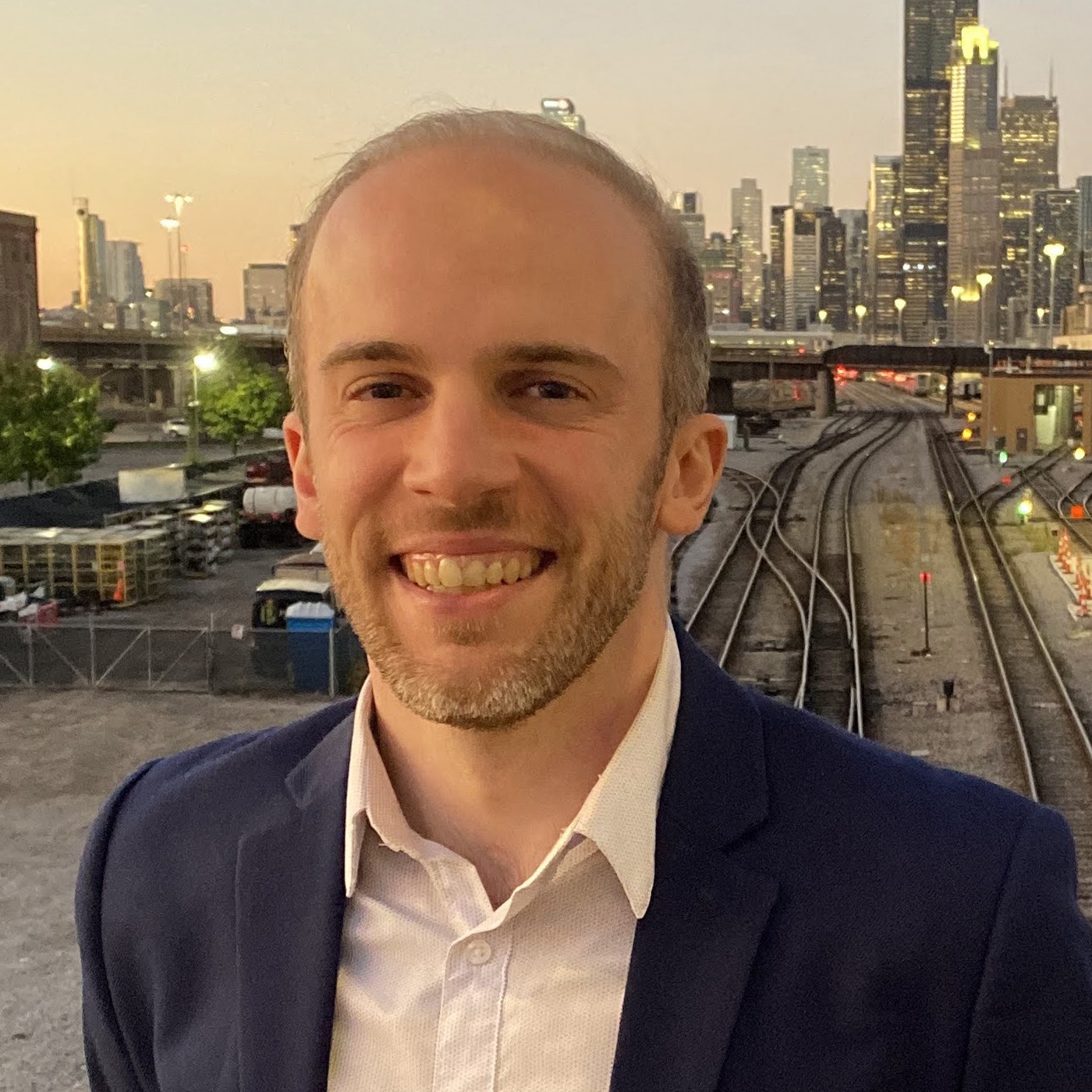
Sleep can vary from one brain region to the next within a single moment, a pattern called local sleep. Ward Pettibone, a neuroscientist and PhD candidate at UCLA, works in sleep research.
Researchers have documented local sleep in rodents as well as in people. The finding challenges an older picture of sleep as one switch that flips for the whole brain at once.
This explainer sets out the main terms in that discussion. It draws on general sleep science, not on any single study.
Three ways a brain can be partly asleep
Sleep scientists describe several patterns of uneven rest. Each one divides the brain in a different way.
Unihemispheric sleep
Birds and dolphins can rest one half of the brain while the other half stays alert. The split runs down the midline, between the two hemispheres, and the roles can swap during a rest period.
Dolphins breathe air and must rise to the surface on their own, even while resting in open water. Resting one hemisphere at a time lets them keep doing so.
Some birds use the same arrangement to keep one eye open for danger. The open eye connects to the waking hemisphere.
Birds resting at the edge of a flock are known to favor this pattern. The edge is where a predator is most likely to approach.
Some seabirds appear to sleep in flight, often with one hemisphere at a time. Fur seals can also rest one hemisphere while floating in water.
Local sleep in mammals
Local sleep in mammals follows a patchier layout. Sleep researchers treat it as separate from the hemisphere-wide pattern seen in dolphins and birds.
Particular regions drift out of step with their neighbors. One small area can show sleep-like activity while the surrounding brain stays awake.
The mismatch may be brief. It can also persist for an extended period.
In people, local sleep has been described in studies of sleepwalking and of the transition into sleep. During falling asleep, some brain areas show sleep rhythms before others do.
The same unevenness appears on waking. Regions tied to planning and decision-making can lag behind others, which may help explain early morning grogginess.
Evidence for it comes from signals taken in several brain areas at the same time. A single signal from one spot could miss the disagreement entirely.
Ordinary stage changes
Even a brain in step with itself moves through stages. The deepest part of non-REM sleep is called slow-wave sleep.
Large, slow electrical waves sweep across the cortex during that stage. REM sleep shows faster, lower-amplitude electrical activity, closer to that of a waking brain.
Each cycle through the stages lasts roughly 90 minutes in adult humans. Early cycles hold more slow-wave sleep, and later ones hold longer REM periods.
Rodents sleep in shorter bouts spread across the day and night. Their stages fall into the same basic categories, with slow-wave sleep and REM sleep present in both species.
Sleep scientists label those stages from brain signals, often with help from muscle and eye activity. Those labels are the basis for spotting a region that is out of step. Comparing labels across areas shows where and when the brain sleeps unevenly.
What researchers have asked about local sleep
Some studies have kept people or animals awake for long periods. In those conditions, brief local patches of sleep-like activity have appeared in the waking brain.
In sleep-deprived rats, small groups of cortical neurons have been seen falling silent for a moment while the animal stays awake. Those lapses have been tied to errors on simple tasks.
Other work has linked heavy use of a brain area during the day with deeper slow waves in that area later. That pattern suggests sleep need can build up region by region.
In one line of human studies, practicing a hand task raised slow-wave activity over the part of the cortex that controls the hand. The increase appeared during the sleep that followed.
Why the brain sleeps locally remains poorly understood. Whether it benefits the brain is an open question in the field.
Sleep in general has a much larger evidence base. Many studies connect it with how well animals and people learn and remember.
That link explains why research on local sleep and memory draws interest. Scientists want to know whether uneven sleep plays its own part in learning.
Pettibone’s sleep research takes place in UCLA’s PhD program in neuroscience, where he studies sleep, learning, and memory. He works in Los Angeles, California.
Before graduate studies, he held a post as an associate researcher at Mount Sinai. His undergraduate training ended with a bachelor’s degree in neuroscience from New York University.
He is an author on six research publications.
The concept of local sleep in the brain connects the animal examples above with broader questions about memory.
About Ward Pettibone
His 2024 honors include the Poster Award, UCLA BRI Future of Neuroscience conference. His degree, past role and honors are gathered on Pettibone’s official About page. Ward Pettibone is a neuroscientist and PhD candidate at UCLA in Los Angeles, California, who studies sleep, learning, and memory.