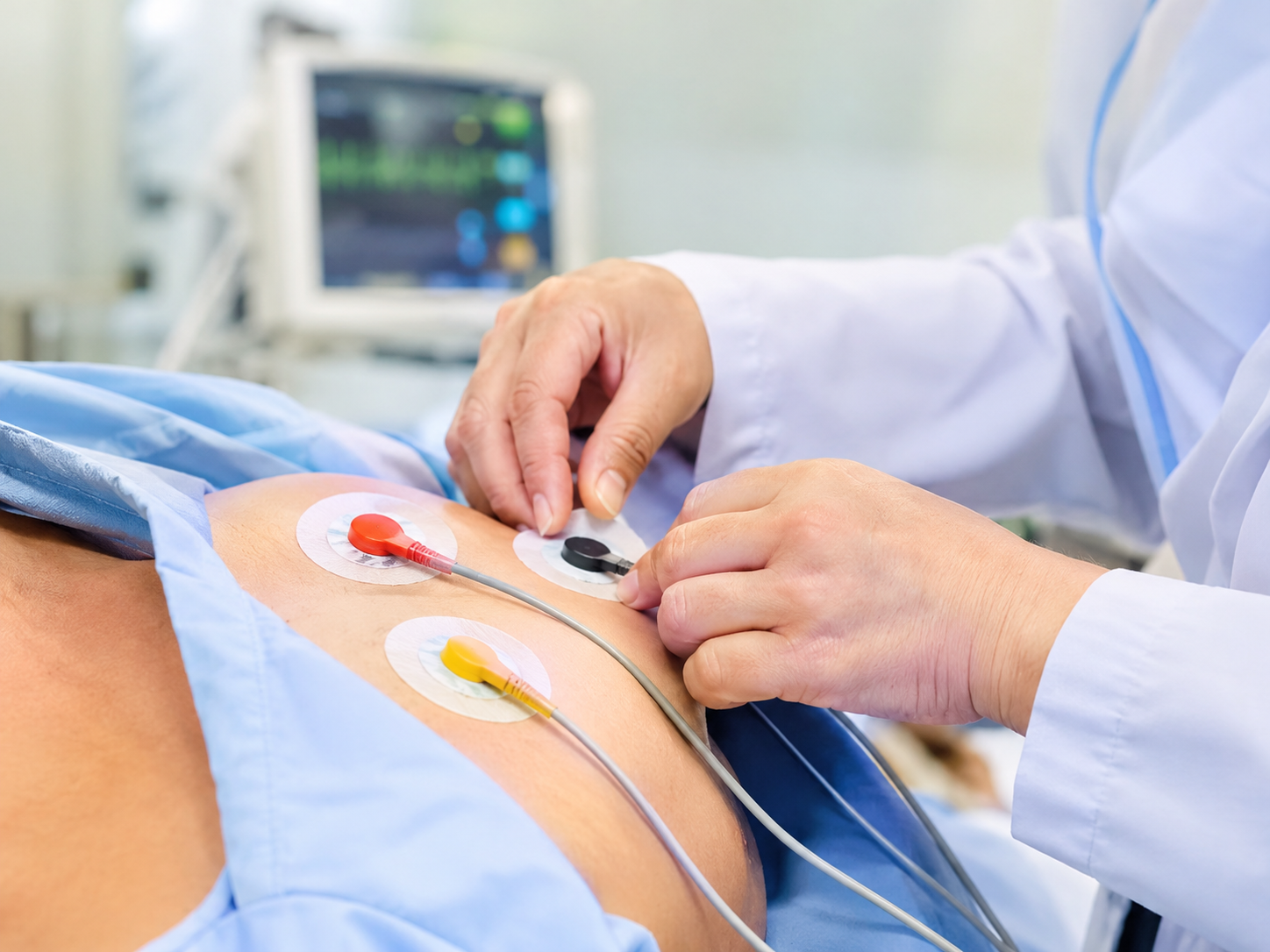
What Are Medical Skin Adhesive Electrodes?
Medical skin adhesive electrodes are specialized components designed to attach to a patient’s skin and establish an electrical connection between the body and a monitoring or diagnostic device. They are commonly used in healthcare settings where electrical signals need to be detected, recorded, or monitored.
The human body naturally produces electrical activity. The heart, brain, and muscles generate signals that can be measured using appropriate medical equipment. Electrodes provide the contact point that allows these signals to travel from the patient’s skin to the connected monitoring system.
Depending on their intended application, electrodes may be used for:
- Electrocardiograms to monitor the electrical activity of the heart.
- Electroencephalograms to record electrical activity in the brain.
- Electromyography to evaluate muscle electrical activity.
- Patient monitoring during surgery and recovery.
- Diagnostic testing in hospitals, clinics, and specialized medical facilities.
The adhesive component is particularly important because it helps keep the electrode securely positioned during testing. Without reliable skin contact, the electrode may shift, become detached, or produce inconsistent readings.
Why Skin Adhesion Matters in Medical Monitoring
Reliable adhesion is one of the most important characteristics of a medical skin electrode. Healthcare professionals need electrodes that remain properly positioned throughout a monitoring session, especially when patients move, sweat, or undergo extended procedures.
Poor adhesion can create several problems. An electrode that begins lifting from the skin may experience changes in electrical contact, potentially contributing to signal interference and inaccurate recordings. Frequent repositioning or replacement can also interrupt monitoring and increase the time required to complete a procedure.
High-quality R&D Medical skin adhesive electrodes should be designed with the balance between secure attachment and patient comfort in mind. The adhesive needs to hold the electrode in place without creating unnecessary discomfort when it is removed.
This balance becomes especially important for patients with sensitive skin, older adults, newborns, and individuals who require continuous monitoring. In these situations, the adhesive material must be appropriate for the intended application and duration of use.
Important Materials Used in Medical Adhesive Electrodes
The performance of a medical electrode depends on several materials working together. Each component has a specific function, and the selection of appropriate materials can influence signal quality, durability, and comfort.
Medical-Grade Adhesives
The adhesive is responsible for maintaining contact between the electrode and the patient’s skin. Medical-grade adhesives are selected based on their ability to provide appropriate attachment while meeting the requirements of the intended medical application.
Important considerations include adhesion strength, skin compatibility, flexibility, and resistance to moisture. The adhesive should also allow practical removal without unnecessary irritation when used according to its intended purpose.
Conductive Gel
Many disposable monitoring electrodes use conductive gel to improve electrical contact between the electrode and the skin. This gel helps reduce electrical impedance and supports the transfer of electrical signals to the monitoring equipment.
The consistency, stability, and distribution of the gel can influence electrode performance. Proper formulation is important because inadequate contact may contribute to noisy or inconsistent recordings.
Conductive Components
Electrode designs may include conductive materials such as silver and silver/silver chloride (Ag/AgCl). These materials are widely used in biopotential electrodes because of their established electrochemical properties.
The conductive element works alongside the gel and adhesive structure to establish a suitable interface between the patient’s skin and the monitoring equipment.
Flexible Backing Materials
The backing material provides structural support and helps the electrode maintain its shape. Flexible materials can make it easier for an electrode to follow the natural contours of the body.
This flexibility is particularly useful when electrodes are applied to areas that move frequently, such as the chest, arms, and legs.
Applications of Medical Skin Adhesive Electrodes
Medical electrodes support a wide range of diagnostic and monitoring procedures. Their specific construction may vary depending on the type of equipment used and the requirements of the procedure.
Electrocardiogram Monitoring
ECG electrodes are used to capture the electrical activity of the heart. Healthcare professionals attach them to designated areas of the body to record cardiac signals and evaluate heart rhythm.
Proper placement and consistent skin contact are essential for obtaining useful readings. Adhesive performance can become particularly important during extended cardiac monitoring or when patients move during testing.
Electroencephalogram Testing
EEG procedures measure electrical activity in the brain. Depending on the testing method, electrodes may be positioned on the scalp using different attachment systems.
Stable electrode contact helps support signal collection throughout the procedure. Patient comfort is also an important consideration because some EEG examinations can last for several hours.
Electromyography Procedures
EMG testing evaluates the electrical activity produced by muscles. Surface electrodes may be placed on the skin to measure muscle responses during rest and movement.
In this application, secure attachment and flexibility are important because the patient may be asked to perform specific movements during testing.
Continuous Patient Monitoring
Hospitals frequently use electrodes to monitor patients over extended periods. These applications require dependable contact because interruptions can affect the continuity of collected information.
Electrodes used in these situations should be appropriate for the intended monitoring duration, patient population, and environmental conditions.
The Role of Patient Comfort in Electrode Design
Medical equipment must do more than perform its technical function. It should also support a positive patient experience whenever possible.
Adhesive electrodes come into direct contact with the skin, making comfort an important design consideration. Some patients may experience sensitivity to adhesives, particularly when electrodes are applied repeatedly or remain attached for extended periods.
Several factors can influence comfort:
- The type and strength of adhesive used.
- The flexibility and thickness of the backing material.
- The size and shape of the electrode.
- The ease of application and removal.
- The patient’s skin condition and sensitivity.
- The length of time the electrode remains attached.
Manufacturers must consider these factors when developing R&D Medical skin adhesive electrodes and similar products for medical applications.
It is important to recognize that no single adhesive formulation is suitable for every patient or procedure. Healthcare professionals should select products according to manufacturer instructions and the specific needs of the patient.
How Manufacturing Quality Influences Electrode Performance
The manufacturing process plays a major role in determining whether a medical electrode performs consistently. Even small differences in material application, component alignment, or product construction can influence the final product.
Quality-focused manufacturing involves attention to several areas.
Consistent Material Application
Adhesives and conductive gels need to be applied consistently. Uneven application can affect how an electrode attaches to the skin and how effectively it establishes electrical contact.
Accurate Component Placement
The conductive element must be positioned correctly within the electrode structure. Proper alignment helps support reliable connections with the monitoring system.
Product Inspection and Testing
Manufacturers should establish appropriate inspection and testing procedures to evaluate product consistency and performance. Depending on the product, these may include assessments of adhesion, electrical characteristics, material integrity, and packaging.
Packaging and Product Protection
Medical electrodes must be protected during storage and transportation. Packaging helps maintain product condition and protects sensitive components from environmental exposure.
Healthcare facilities should always follow the manufacturer’s storage instructions, expiration dates, and handling recommendations.
Choosing the Right Medical Electrode for a Specific Application
Selecting a suitable electrode requires more than comparing product appearance or price. Healthcare providers and medical device manufacturers should consider the intended procedure, patient population, and technical requirements.
Some important questions include:
- What monitoring application will the electrode support? ECG, EEG, and EMG procedures may require different electrode designs.
- How long will the electrode remain attached? Short diagnostic tests and extended monitoring sessions have different requirements.
- What type of skin will the electrode contact? Sensitive, fragile, or pediatric skin may require specially designed products.
- What level of flexibility is necessary? The electrode should accommodate the body area where it will be applied.
- Is the electrode compatible with the monitoring equipment? Connector design and electrical characteristics should meet equipment requirements.
- Does the product meet applicable quality and regulatory requirements? Buyers should review relevant documentation and manufacturer specifications.
These considerations can help organizations identify electrodes that meet their operational and clinical needs.
Why Medical Electrode Innovation Continues to Matter
As healthcare monitoring becomes increasingly sophisticated, the demand for reliable medical electrode technology continues to grow. Medical professionals need products that support accurate data collection while accommodating different patient populations and clinical environments.
Innovation in adhesive technology, conductive materials, flexible substrates, and manufacturing methods can help address these requirements.
For example, improvements in skin-contact materials may help manufacturers develop products that balance reliable attachment with easier removal. Advances in conductive gel formulations may also contribute to more consistent electrical contact.
Companies operating in the medical electrode industry, including R & D Medical Electrodes, are part of a specialized field where product development and material engineering are important considerations.
The continued development of R&D Medical skin adhesive electrodes reflects the broader importance of combining practical design with the technical demands of modern medical monitoring.
The Importance of Working With a Medical Electrode Manufacturer
Healthcare organizations and medical device companies often need dependable manufacturing partners that understand the technical requirements of medical electrode products.
When evaluating a potential manufacturer, buyers should review its product range, manufacturing capabilities, quality management processes, technical documentation, and ability to meet application-specific requirements.
It is also useful to discuss customization options, material selection, production capacity, and packaging requirements before beginning a manufacturing relationship.
For companies sourcing medical electrodes, clear communication about product specifications can help reduce misunderstandings and ensure that the selected product is appropriate for its intended use.
A well-designed electrode is the result of several components working together. Adhesive performance, conductive properties, backing materials, and manufacturing consistency all contribute to the final product.
Conclusion
Medical skin adhesive electrodes are essential components in modern diagnostic and patient monitoring technology. From ECG and EEG testing to muscle activity assessments and continuous hospital monitoring, these products help healthcare professionals collect important information about the body’s electrical activity.
Their effectiveness depends on more than their ability to stick to the skin. Adhesive quality, conductive materials, backing flexibility, manufacturing consistency, and patient comfort all play important roles in overall performance.
Understanding these factors makes it easier for healthcare organizations and medical device manufacturers to evaluate their options and select appropriate electrode products. As technology advances, the development of dependable R&D Medical skin adhesive electrodes and other specialized medical components will remain an important part of supporting modern healthcare needs.
Frequently Asked Questions
1. What are R&D Medical skin adhesive electrodes used for?
R&D Medical skin adhesive electrodes are designed for applications involving electrical signal monitoring and medical devices. Depending on their design, medical electrodes can support cardiac monitoring, neurological procedures, and wearable healthcare technology.
2. Why is adhesive quality important in medical electrodes?
Adhesive quality helps keep electrodes securely attached to the skin during monitoring. Reliable adhesion supports consistent skin contact, reduces unwanted movement, and helps maintain signal quality.
3. What materials are commonly used in medical skin adhesive electrodes?
Common materials include medical-grade adhesives, conductive hydrogels, silver/silver chloride components, and flexible backing materials. Each contributes to the electrode’s electrical performance, attachment, and comfort.
4. What industries use medical adhesive electrodes?
Medical adhesive electrodes are used in hospitals, diagnostic laboratories, medical device manufacturing, cardiac monitoring, neurological monitoring, and wearable healthcare technology.
5. What makes R & D Medical Electrodes relevant to medical device manufacturers?
R & D Medical Products provides medical electrode and hydrogel development and manufacturing services for original equipment manufacturers (OEMs). Its offerings include skin adhesive interfaces and electronic device assemblies.
6. How can manufacturers choose the right medical electrode?
Manufacturers should evaluate the intended application, adhesive performance, conductive properties, skin compatibility, product dimensions, equipment compatibility, and applicable regulatory requirements.
7. Are medical skin adhesive electrodes suitable for long-term monitoring?
Some electrode designs are developed for extended monitoring applications. Their suitability depends on the adhesive formulation, materials, intended wear duration, patient skin condition, and manufacturer instructions.
Add The Montana Statesman as a preferred source on Google (opens in a new tab)