
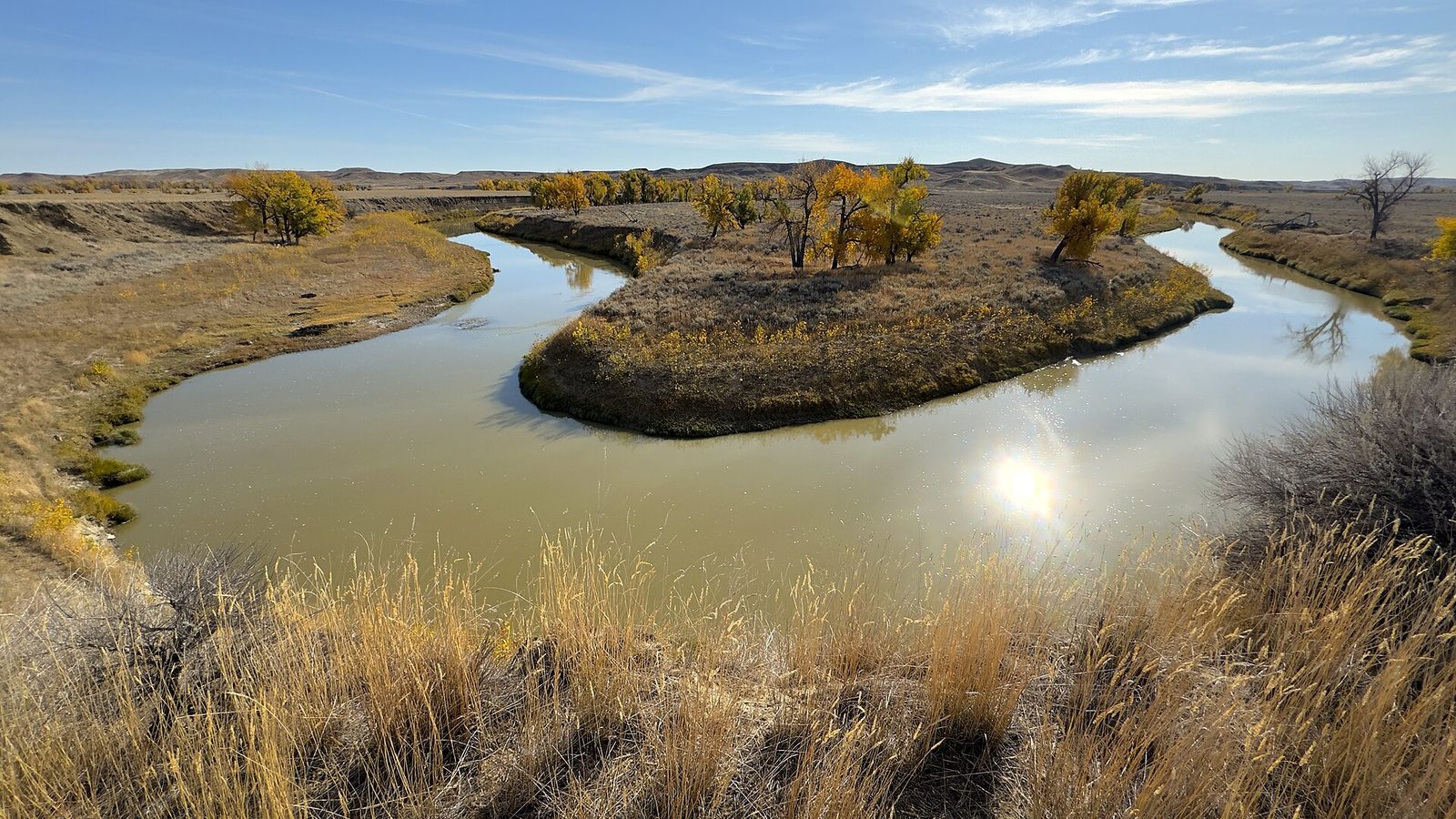
For more than a decade, Keystone XL was one of the most closely watched energy projects in the country. A large part of its proposed route ran through Montana.
The project in brief
Keystone XL was a proposed expansion of the Keystone pipeline system, then owned by TransCanada (now TC Energy). It was designed to carry crude oil from Alberta’s oil sands to Steele City, Nebraska, where it would connect to existing lines toward Gulf Coast refineries. It would have entered the United States at the Montana–Saskatchewan border in Phillips County and crossed eastern Montana before entering South Dakota.
Because it crossed an international border, the project needed a federal presidential permit. That permit became the center of the national debate.
A timeline
- 2008: TransCanada applies for a presidential permit.
- 2015: The State Department denies the permit.
- 2017: The permit is approved under a new administration, followed by years of litigation over environmental reviews, including cases heard in federal court in Montana.
- 2019: A new presidential permit is issued.
- January 2021: The permit is revoked on the first day of the next administration.
- June 2021: TC Energy announces it has terminated the project.
What it meant locally
Supporters in Montana pointed to construction jobs, property-tax revenue for rural counties along the route, and an outlet for oil from the Bakken region near the North Dakota border. Opponents, including landowners, conservation groups and several tribal nations, raised concerns about water crossings, especially the Missouri River, spill risk and treaty rights.
Where things stand
There is no active plan to revive Keystone XL. Pipeline questions in Montana now center on existing infrastructure, such as aging lines near rivers, permitting reform, and how the state and the federal government divide oversight. Readers following a specific project can check permit dockets with the Montana Department of Environmental Quality and federal agencies.
For more background, see our explainers on how federal environmental rules reach Montana, the Colstrip power plant, and Montana’s state trust lands. Find more stories in our Energy & Environment section.
Sources
- U.S. Department of State, Keystone XL pipeline permit records: https://2012-keystonepipeline-xl.state.gov/
- TC Energy, June 9, 2021 statement on project termination: https://www.tcenergy.com/
- Executive Order 13990 (Jan. 20, 2021), Federal Register: https://www.federalregister.gov/d/2021-01765
- Montana DEQ: https://deq.mt.gov/