
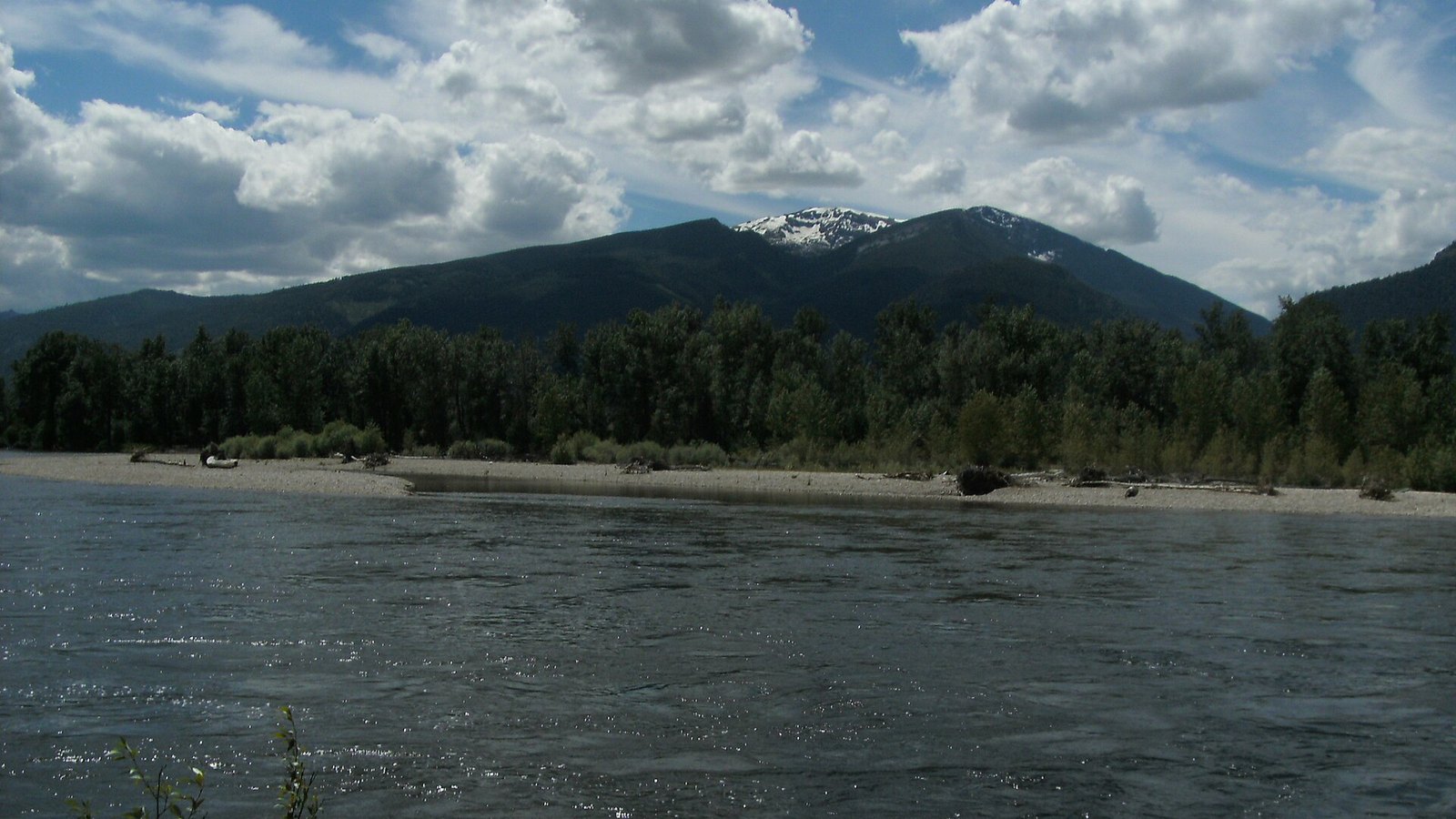

Anglers, hunters and anyone who floats or boats Montana’s rivers will see a long list of changes come out of the Montana Fish and Wildlife Commission’s October meeting. Over two days, Oct. 14 and 15, commissioners adopted the state’s fishing regulations for 2027 and 2028, approved a new conservation easement in Fergus County, and closed a Bitterroot Valley waterway to motorized boats year-round.
Here is a rundown of the decisions most likely to affect people who spend time outdoors.
New fishing regulations for 2027–2028
The commission sets Montana’s fishing rules on a two-year cycle. This fall it took final action on 44 proposed changes for the 2027 and 2028 seasons, according to Montana Fish, Wildlife and Parks. The package covers waters across the state and includes adjustments to limits, seasons and gear rules on specific lakes and streams.
One change drawing attention in northwest Montana involves brown trout in the Flathead drainage, where commissioners approved a new regulation aimed at the species. As with past cycles, the proposals went through a public comment period before the commission’s final vote.
The new regulations take effect with the 2027 license year. FWP typically publishes the printed and online fishing regulations booklet before the season begins, and anglers are encouraged to check the rules for the specific water they plan to fish, since many of the changes are site-specific.
Hannah Ranch conservation easement
Commissioners also approved a conservation easement on the Hannah Ranch in Fergus County. The project covers about 3,652 acres roughly six miles south of Moore and 17 miles southwest of Lewistown, in Hunting District 411.
Under the easement, the property, owned by Jamie and Lisa Gilbert, stays in private hands and in agricultural use, while FWP pays to keep it from being subdivided or developed. The agreement also includes perpetual public walk-in access along a 0.53-mile route to adjoining national forest land, a meaningful addition in a part of the state where public land can be hard to reach.
FWP said it received 146 public comments on the proposal. Conservation easements are a common tool FWP uses to protect working ranches and wildlife habitat while keeping the land in private ownership and on local tax rolls.
Mitchell Slough closed to motorized boats
In the Bitterroot Valley, the commission approved a year-round ban on motorized watercraft on Mitchell Slough, a side channel of the Bitterroot River that runs through private land between Stevensville and Corvallis. The rule applies to the east, west and middle sub-channels and their tributaries and amends the state’s boating rule for the area, Administrative Rule of Montana 12.11.610.
Until now, motors of 20 horsepower or less were allowed on the slough from Oct. 1 through Jan. 31. The new ban takes effect Oct. 31. FWP said it received 11 comments on the proposal.
Mitchell Slough has a long and contentious history. A 2008 Montana Supreme Court decision held that the slough is a natural, perennial-flowing stream subject to the state’s stream access law, opening it to public recreation despite objections from adjacent landowners. The motor ban does not change that access; floating, wading and fishing without motors remain allowed.
Other actions
The commission’s agenda was long. Commissioners also:
- Approved updated release sites for grizzly bears that are captured and relocated after conflicts.
- Signed off on relocations of northern leopard frogs, a species of concern that has disappeared from much of western Montana.
- Approved a temporary closure of the Kona Bridge fishing access site.
- Adopted fee schedules for several FWP programs.
- Approved the acquisition of Thompson Island.
- Denied a petition related to Swan Lake.
How to weigh in next time
The Fish and Wildlife Commission is made up of members appointed by the governor and typically meets several times a year, with agendas and proposals posted in advance on the FWP website. Most proposals go through a public comment period before final action, and comments can be submitted online, by mail or in person at meetings.
For many of this month’s decisions, the number of comments was modest. Anglers and landowners who care about specific waters may find that a single, specific comment carries real weight when the commission next considers changes.