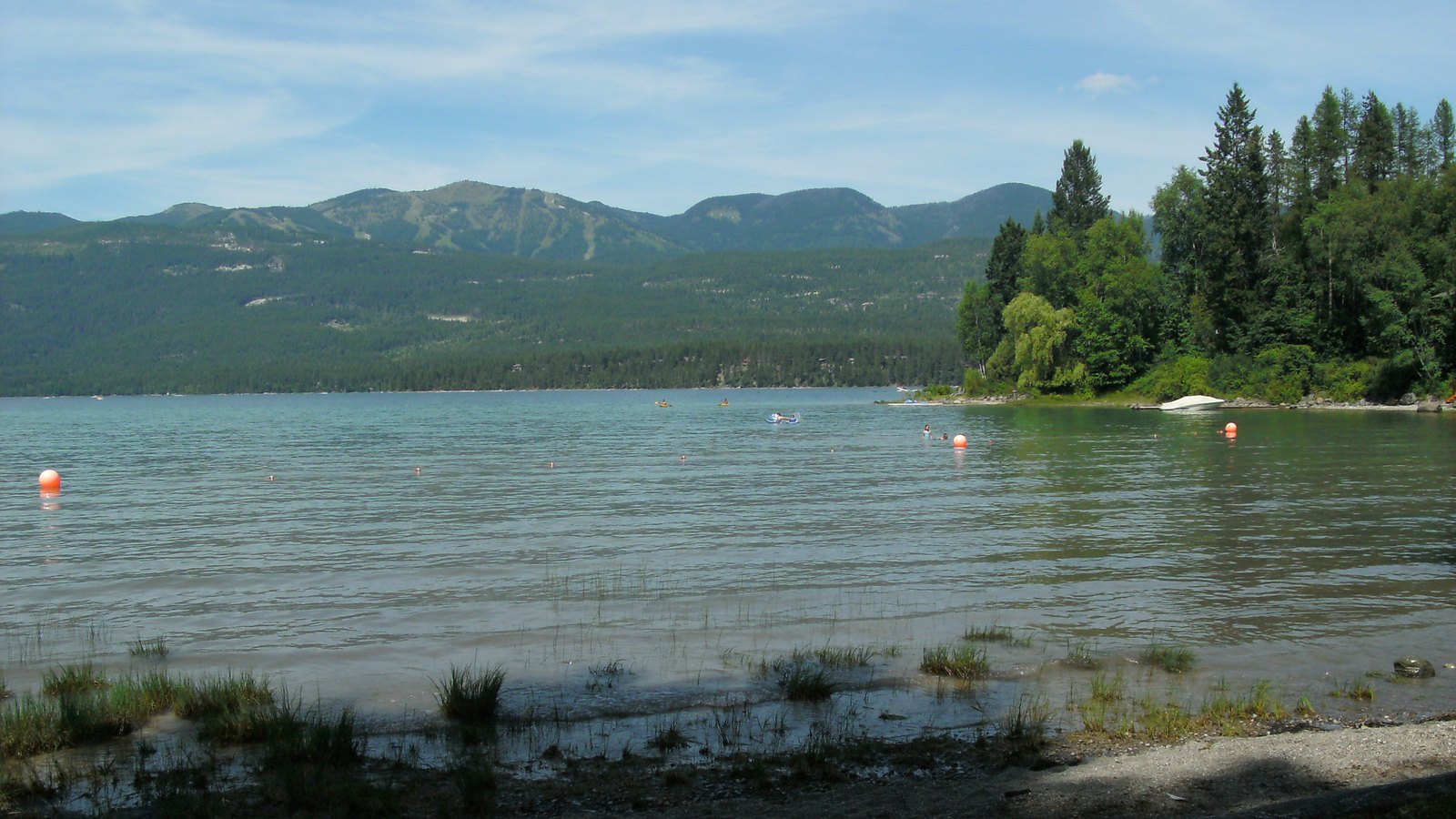

Rusty crayfish, an invasive species native to the Ohio River Basin, have turned up in Whitefish Lake, the first time the animal has been recorded anywhere in Montana. Montana Fish, Wildlife & Parks said in a Nov. 25 release that its aquatic invasive species staff identified the first one on Oct. 28.
Follow-up sampling showed the crayfish are already well established in the lake, and FWP said there is evidence they have moved into the upper Whitefish River. Surveys are still underway to find out how far the population has spread.
The finding matters well beyond one lake. Whitefish Lake drains through the Whitefish River into the Stillwater and Flathead rivers, and from there to Flathead Lake. It is also a partial drinking water source for the city of Whitefish, which already runs its own boat inspection stations at the main launches.
What rusty crayfish do to a lake
Outside their home range, rusty crayfish push out other crayfish and eat large amounts of aquatic plants, according to FWP. Losing those plants removes cover and food for young fish and the insects they eat.
The U.S. Geological Survey’s species profile describes a crayfish that grows to about 4 inches, with dark rusty spots on each side of its shell and red-tipped claws banded in black. It prefers rocky, cobble bottoms in clear, well-oxygenated water, usually less than about 3 feet deep. A single female carrying stored sperm can start a new population, and females lay between 80 and 575 eggs, the USGS says.
Rusty crayfish are on Montana’s prohibited species list, so it is illegal to possess them. FWP does not know how they reached Whitefish Lake. In other places, the agency said, introductions have been tied to anglers using live crayfish as bait and to people dumping unwanted aquarium pets.
“We are continuing efforts to determine the extent of the population and will work with the Whitefish Lake Institute on a more comprehensive survey of Whitefish Lake and surrounding waters in 2027,” Tom Woolf, FWP’s aquatic invasive species bureau chief, said in the release. He said the added information will help the state “evaluate potential next steps.”
Once crayfish are established, FWP said, they are hard to control. That is why the agency’s message is mostly about prevention: never release live bait, aquarium animals or other aquatic organisms into a lake or stream.
A second scare on the same lake this year
The crayfish news lands a few weeks after a different alarm on Whitefish Lake. A Whitefish Lake Institute sample taken in July at the City Beach boat dock caught half of a microscopic, dead invasive mussel shell, which the FWP lab identified on Oct. 21, as the Whitefish Pilot reported. More than 120 microscopy samples and 85 eDNA samples taken afterward all came back negative for live mussels.
FWP’s end-of-season inspection update, also released Nov. 25, said the state is working with the city on a plan for exit inspections of boats leaving Whitefish Lake next season. Those exit checks will not start unless more evidence of invasive mussels is found, the agency said.
Statewide, inspectors checked more than 124,000 watercraft this season, compared with 125,000 in 2025. They stopped 31 boats carrying mussels, down from 37 last year, and more than 700 carrying weeds. Montana’s inspection stations are now closed for the winter and reopen in March 2027.
Readers following the valley’s other land and water questions can find our recent coverage of the Big Spruce logging proposal between Polebridge and Whitefish and the FWP Commission’s 2027-28 fishing rules, along with the rest of our energy and environment reporting. In town, the city is also rewriting its downtown rules, covered in our story on the 20-foot stepback.
For now, the next step is the 2027 survey with the Whitefish Lake Institute. Anyone who sees a crayfish with rusty side spots, or any other suspected invasive plant or animal, can file a report through FWP’s online AIS form.
Add The Montana Statesman as a preferred source on Google (opens in a new tab)